African Leather Industries
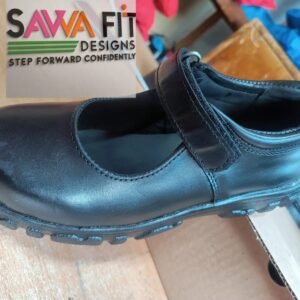
Velcro school shoes girls
Original price was: KSh2,500.KSh2,000Current price is: KSh2,000.Select options This product has multiple variants. The options may be chosen on the product pageClear32343638272829303133353739Back to School Shoes -Genuine Pure Leather
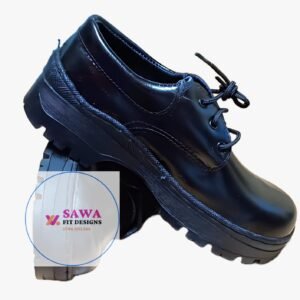
Original price was: KSh1,300.KSh1,000Current price is: KSh1,000.Select options This product has multiple variants. The options may be chosen on the product pageClear3234242526272829303133Boys Black School Shoes
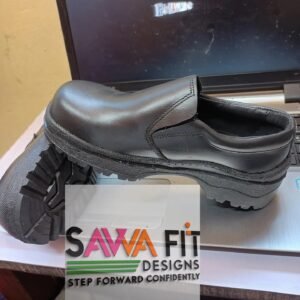
Original price was: KSh1,500.KSh1,200Current price is: KSh1,200.Select options This product has multiple variants. The options may be chosen on the product pageClear363835373940Slip-On School Shoes Boys
Original price was: KSh2,500.KSh2,000Current price is: KSh2,000.Select options This product has multiple variants. The options may be chosen on the product pageClear323436382728293031333537

African Leather Industries: A Growing Force in Global Markets
When you think of leather goods, Africa might not be the first place that comes to mind. But the African leather industry is steadily making its mark on the global stage. With rich resources, skilled artisans, and a growing focus on sustainability, African leather industries are becoming a key player in fashion, furniture, and automotive markets.
At sawafit.com, we’re here to break down what makes African leather unique, why it matters, and how it’s shaping the future of sustainable production.
Why African Leather Stands Out
Africa is home to some of the largest livestock populations in the world, providing a steady supply of raw materials for leather production. Countries like Ethiopia, Kenya, Nigeria, and South Africa are leading the charge, producing high-quality leather that’s both durable and versatile.
Here’s what sets African leather apart:
- Natural Resources: Africa’s vast grasslands support livestock farming, ensuring a consistent supply of hides and skins.
- Artisan Craftsmanship: Many African leather products are handmade by skilled artisans, blending traditional techniques with modern designs.
- Sustainability: With a growing focus on eco-friendly practices, African tanneries are adopting cleaner production methods to reduce environmental impact.
Challenges Facing the Industry
While the African leather industry has immense potential, it’s not without its hurdles. Some of the key challenges include:
- Limited Infrastructure: Many tanneries lack modern equipment, slowing down production and limiting output.
- Export Barriers: High tariffs and strict regulations can make it difficult for African leather goods to compete globally.
- Waste Management: Improper disposal of tannery waste can harm the environment, though efforts are being made to address this.
Despite these challenges, the industry is adapting. Governments and private investors are stepping in to improve infrastructure, provide training, and promote sustainable practices.
Opportunities for Growth
The global demand for ethically sourced, sustainable leather is on the rise, and African leather industries are well-positioned to meet this need. Here’s how:
- Ethical Fashion: Consumers are increasingly seeking products with transparent supply chains. African leather, often produced in small, community-based workshops, fits this demand perfectly.
- Job Creation: The leather industry provides employment for thousands of people, from farmers to artisans, helping to boost local economies.
- Innovation: New technologies are being introduced to improve tanning processes, reduce waste, and enhance product quality.
How You Can Support African Leather
If you’re looking to invest in high-quality, sustainable leather goods, here are a few ways to get started:
- Buy Directly from Artisans: Many African leather brands sell online, offering everything from handbags to shoes.
- Choose Ethical Brands: Look for companies that prioritize fair wages and sustainable practices.
- Spread the Word: Share the story of African leather with others. The more people know, the more the industry can grow.
Final Thoughts
African leather industries are on the rise, offering a unique combination of quality, craftsmanship, and sustainability. By supporting these efforts, you’re not just buying a product—you’re contributing to a brighter future for communities across the continent.
At sawafit.com, we’re excited to see how African leather will continue to shape global markets. Stay tuned for more updates and insights on this dynamic industry.
Velcro school shoes girls
Original price was: KSh2,500.KSh2,000Current price is: KSh2,000.Select options This product has multiple variants. The options may be chosen on the product pageClear32343638272829303133353739Back to School Shoes -Genuine Pure Leather
Original price was: KSh1,300.KSh1,000Current price is: KSh1,000.Select options This product has multiple variants. The options may be chosen on the product pageClear3234242526272829303133Boys Black School Shoes
Original price was: KSh1,500.KSh1,200Current price is: KSh1,200.Select options This product has multiple variants. The options may be chosen on the product pageClear363835373940Slip-On School Shoes Boys
Original price was: KSh2,500.KSh2,000Current price is: KSh2,000.Select options This product has multiple variants. The options may be chosen on the product pageClear323436382728293031333537
African Leather Industries