Kenyan School Shoe Keywords
Analysis of Dominant Keywords for Online School Shoe Searches in Kenya
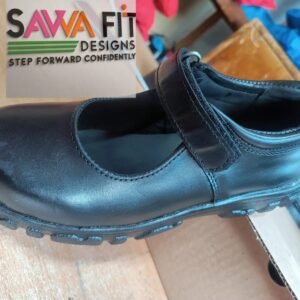
Velcro school shoes girls
Original price was: KSh2,500.KSh2,000Current price is: KSh2,000.Select options This product has multiple variants. The options may be chosen on the product pageClear32343638272829303133353739Back to School Shoes -Genuine Pure Leather
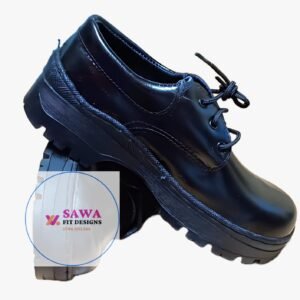
Original price was: KSh1,300.KSh1,000Current price is: KSh1,000.Select options This product has multiple variants. The options may be chosen on the product pageClear3234242526272829303133Boys Black School Shoes
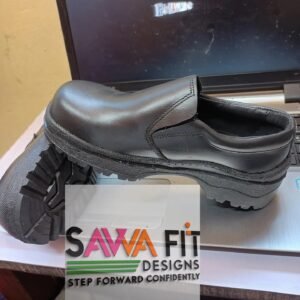
Original price was: KSh1,500.KSh1,200Current price is: KSh1,200.Select options This product has multiple variants. The options may be chosen on the product pageClear363835373940Slip-On School Shoes Boys
Original price was: KSh2,500.KSh2,000Current price is: KSh2,000.Select options This product has multiple variants. The options may be chosen on the product pageClear323436382728293031333537

Executive Summary
This report provides a comprehensive analysis of the most frequently utilized keywords by Kenyan consumers when searching for school shoes online. The findings reveal a landscape shaped by the critical functional demands of school footwear, economic considerations, and the evolving digital habits of the Kenyan populace. Key search terms overwhelmingly gravitate towards “back to school,” material specifications, particularly “leather,” and attributes emphasizing “durability” and “comfort.” Major e-commerce platforms serve as primary search avenues, reflecting a growing reliance on online channels for essential purchases. The analysis underscores a prevailing consumer focus on securing long-lasting, comfortable, and appropriately priced footwear, presenting clear strategic imperatives for online retailers aiming to optimize their digital presence in the Kenyan market.
1. Introduction: The Landscape of Online School Shoe Shopping in Kenya
1.1. Overview of Kenya’s E-commerce Growth and Key Platforms
Kenya’s e-commerce sector has witnessed substantial expansion, indicating a robust and continually growing digital consumer base. A study conducted by Mastercard revealed that nearly four out of five (79%) surveyed consumers in Kenya increased their online shopping activities following the onset of the COVID-19 pandemic.1 This notable shift highlights a rising comfort level and dependence on digital channels for various acquisitions, including footwear.
The online shopping environment in Kenya is characterized by the presence of several prominent platforms. Jumia stands out as a widely recognized e-commerce brand, frequently mentioned by consumers when discussing online shopping in Kenya.2 Other significant platforms contributing to this digital marketplace include Kilimall, Jiji, Masoko, Mybigorder Marketplace, Carrefour, Copia, and Naivas Online Supermarket.2 These platforms serve as primary conduits through which Kenyans seek and purchase a diverse range of products. The widespread adoption of online shopping, as evidenced by the significant increase in activity and the proliferation of diverse e-commerce platforms, indicates a maturing digital market in Kenya. This suggests that consumers are not merely browsing but are actively engaging in online transactions, making it imperative for businesses to refine their online presence and keyword strategies to effectively capture this expanding demand. For businesses, it is no longer sufficient to simply exist online; they must be readily discoverable and compelling within this increasingly competitive digital ecosystem.
The growth of e-commerce is further amplified by the substantial role of social media in product discovery. The Mastercard study found that a considerable majority of consumers, 78%, discovered new sellers through Facebook, and 56% through Instagram.1 This observation points to the necessity of an integrated digital marketing approach. Online retailers must not only optimize for traditional search engines but also actively engage with consumers on social platforms where product discovery and influence are increasingly significant. Social media functions as a powerful initial touchpoint, generating interest that frequently translates into direct searches on e-commerce platforms or search engines. Therefore, the keywords and product attributes highlighted in social media campaigns, whether through hashtags, visual content, or collaborations with influencers, should be strategically aligned with anticipated search queries. This creates a synergistic effect where social media exposure can prime users for specific keyword searches, ultimately enhancing the potential for conversion.
1.2. Significance of School Shoes in the Kenyan Market
School shoes represent a non-discretionary purchase in Kenya, primarily because wearing a school uniform is a compulsory requirement for children to attend classes.3 This inherent necessity ensures a consistent and predictable demand for this product category.
The daily realities faced by many Kenyan students further underscore the critical importance of appropriate footwear. Many children walk long distances to school, with some traversing upwards of 12 kilometers daily, often navigating challenging terrains such as muddy paths.4 These conditions highlight the profound need for footwear that is not only durable and comfortable but also provides adequate support and protection.4 The absence of proper shoes can lead to serious health issues, notably tungiasis (sand flea infestation), and can restrict a child’s participation in essential school activities, such as football.3 The “back-to-school” period marks a significant and predictable cyclical purchasing season for school shoes, directly influencing search patterns and sales peaks.6 The compulsory nature of school uniforms and the arduous daily commutes for many students elevate school shoes from a mere fashion item to a critical functional necessity. This fundamental role directly translates into search priorities that heavily emphasize attributes like durability, comfort, and protection, rather than primarily aesthetic considerations. Consumers are not simply searching for “shoes” but specifically for “school shoes” that explicitly address these functional needs. Consequently, search queries frequently feature terms such as “durable,” “comfortable,” “long-lasting,” and “protective,” as these attributes directly mitigate the practical challenges faced by students. The prominence of “leather” as a material keyword is also explained by its perceived durability and ability to withstand rigorous use, aligning with these core functional requirements.
The economic realities in Kenya, where some parents face significant challenges in affording shoes 5 or may even prioritize shoes over other uniform components 3, suggest a strong underlying price sensitivity. This implies that while quality and durability are paramount, keywords related to affordability, such as “affordable,” “cheap,” and “wholesale,” will also be highly relevant in search queries, particularly during the peak “back-to-school” seasons. Consumers are likely engaged in a delicate balancing act between quality and cost. This leads to more nuanced search queries that combine these aspects, such as “durable affordable school shoes” or “best value school shoes Kenya.” Retailers should therefore consider offering tiered pricing strategies or explicitly highlighting the long-term value proposition of their products, for instance, by emphasizing that a higher-quality shoe “lasts multiple school years” to justify its initial cost. This approach appeals to a demographic that is cost-conscious yet simultaneously seeks quality.
2. Dominant Search Keywords for School Shoes in Kenya
This section analyzes the most frequently used keywords, drawing from product titles, descriptions, and categories on major e-commerce platforms, as well as insights into consumer priorities.
2.1. General Search Terms
The most fundamental and high-volume keywords used by Kenyans searching for school shoes online are direct and intent-based. These include “School Shoes” 8 and “Back to School Shoes”.8 These core terms are frequently combined with geographical modifiers such as “Kenya” or specific urban centers like “Nairobi” or “Kamukunji” 14, indicating a localized search intent. The consistent and widespread use of “Back to School Shoes” across multiple sources indicates a strong seasonal search pattern, which predictably peaks before school reopens for new terms. This highlights the critical importance for businesses to align their marketing campaigns and inventory management with these specific periods. The consistent use of this term signifies a specific, recurring purchasing event directly tied to the academic calendar. This means that search volume for these keywords will experience predictable surges during particular times of the year, such as January, May, and September in Kenya, which align with school term commencements. For businesses, this implies a strategic imperative to synchronize their advertising spend, inventory stocking, and promotional efforts precisely with these seasonal peaks to maximize visibility and sales. Tools like Google Trends can be further leveraged to validate and precisely pinpoint these cyclical demand patterns.7
2.2. Material-Specific Keywords
“Leather” is overwhelmingly the most prevalent material keyword, often appearing with qualifiers to emphasize quality and authenticity. Common variations include “Genuine Leather” 8 and “Pure Leather”.8 More specific origins like “Ethiopian Leather” 8 and “Cowhide Real Leather” 10 are also mentioned, indicating particular sourcing or types. Locally, “Kenyan leather” is highlighted by manufacturers, emphasizing local craftsmanship and quality.17
“Rubber Sole” is another frequently mentioned component, valued for its durability, grip, and suitability for various terrains and weather conditions.6 While “Canvas Shoes” and “Synthetic materials” are noted as more affordable and lighter alternatives, their potential for lower durability is also acknowledged.6 The strong emphasis on “Leather” and its various qualifiers directly reflects consumer perception of durability and overall quality. This is a critical attribute given the demanding conditions of daily school life, including long walks and rough terrain.4 Given that school shoes must withstand significant daily wear and tear, rough terrain, and are expected to last for a considerable period (typically 6-12 months) 6, leather is perceived as the most durable, resilient, and long-lasting material. This directly links to the consumer’s desire for value for money and a reduced frequency of replacements, which represents a significant financial consideration for many families. The emphasis on “Genuine” or “Pure” leather further indicates a search for authenticity and assurance of this durability, especially in a market where quality issues with soles and imported shoes have been noted.27
2.3. Gender and Age-Specific Keywords
Keywords specifying the target user are common in online searches. These include “Boys School Shoes” 11, “Girls School Shoes” 9, and “Unisex”.9 More general terms like “Kids” or “Children’s Shoes” are also widely used.8 The frequent use of both gender-specific terms and “Unisex” suggests that while there is a market for versatile, gender-neutral options, parents often search for shoes tailored to specific gender styles or perceived needs. This could be influenced by traditional designs or specific school uniform nuances. Gender-specific terms might be driven by school uniform requirements, such as “Girls School Shoes (Buckle)” 15, which dictate certain styles, or by parental preference for traditional designs. Conversely, “unisex” terms might appeal to parents seeking versatility, potential for hand-me-downs, or simply a broader selection without gender constraints. Retailers should clearly categorize their inventory and use these keywords strategically to match these distinct, yet co-existing, search intents.
2.4. Quality and Durability Keywords
The emphasis on product longevity and resilience is highly evident in popular keywords. These include “Durable” 6, “Comfort” or “Comfortable” 6, and “Long-lasting”.6 Other related terms are “High-Quality” 10, “Support” or “Arch support” 6, and “Sturdy”.16 The overwhelming prevalence of keywords related to durability and comfort is not merely a consumer preference but a fundamental necessity driven by the physical demands of schooling in Kenya.4 This translates into a pragmatic search for long-term, problem-solving footwear solutions rather than fleeting fashion trends. The context of daily wear, long walks to school, and navigating rough or muddy terrain means that poor quality or uncomfortable shoes lead to frequent and costly replacements, as well as physical discomfort and potential health issues for the child. This represents a significant burden for parents.5 Therefore, these keywords reflect a pragmatic search for long-term value and problem-solving, aiming to reduce recurring costs and ensure the child’s health and ability to focus. Retailers must actively emphasize these functional benefits in their product descriptions, marketing copy, and visual assets.
2.5. Style and Design Keywords
Specific styles and colors are frequently sought, driven by uniform requirements and practical considerations. “Black School Shoes” is an overwhelmingly dominant color, largely due to school uniform policies.9 “Slip-On School Shoes” are valued for ease of wear 11, while “Buckle” or “Girls School Shoes (Buckle)” represents a common closure type, particularly for girls.10 “Lace-up shoes” are another common closure option.14 Terms like “Classic” or “Classic Choice” 15 indicate a preference for traditional, timeless designs. While functionality is key, aesthetic appeal is also a consideration, as reflected in keywords like “Fashionable” or “Stylish”.9 The consistent prominence of “Black School Shoes” directly correlates with the widespread implementation of school uniform policies in Kenya.3 This is a non-negotiable attribute in search queries, indicating a highly specific and mandatory requirement rather than a mere stylistic preference. The explicit mention of compulsory school uniforms in Kenya strongly implies that black is frequently a mandated color for school footwear. Therefore, “Black School Shoes” functions as a high-intent, non-negotiable search term for parents seeking compliant footwear. This means retailers must ensure their black school shoe inventory is not only extensive but also optimally indexed for this specific keyword to capture this essential segment of demand.
2.6. Price and Value Keywords
Price considerations are a significant driver of search behavior. “Affordable Wholesale Prices” are explicitly marketed as a key selling point by brands like Sawafit 14, indicating a recognition of the market’s price consciousness. “Wholesale” 14 indicates interest in bulk purchasing, which is relevant for retailers or large families. “Competitive Pricing” is also a common term.14 The general observation of Kenyan search behavior frequently includes terms like “affordable” and “cheap” 18, further confirming widespread price sensitivity. Promotional offers and discounts are also sought, as indicated by the use of “Sale!” tags.14 The frequent appearance of “Affordable” and “Wholesale” underscores the inherent price sensitivity of the Kenyan market, even for essential items like school shoes. This is further supported by the general observation that Kenyan search behavior often includes terms like “affordable” or “cheap”.18 While durability and quality are paramount, consumers are actively seeking the best value for their money. This means they are not necessarily looking for the absolute cheapest shoes, but rather “affordable” options that still deliver on “high-quality” and “durability.” This creates a tension that businesses must address by highlighting both competitive pricing and the long-term value proposition of their products, for example, by emphasizing how a durable shoe “lasts a whole school year” 20, thereby reducing replacement costs. This strategy allows them to appeal to a cost-conscious yet quality-demanding demographic.
Table 1: Dominant School Shoe Keywords in Kenya
| Category | Keywords (Examples) | Significance/Context |
| General Search Terms | School Shoes, Back to School Shoes, School Shoes Kenya, School Shoes Nairobi, School Shoes Kamukunji | Core search terms, often seasonal, indicating direct purchase intent and localized search. |
| Material-Specific | Leather, Genuine Leather, Pure Leather, Kenyan Leather, Ethiopian Leather, Cowhide Real Leather, Rubber Sole, Canvas Shoes, Synthetic Materials | Indicates preference for longevity, authenticity, and functional attributes like grip and weather resistance. |
| Gender/Age-Specific | Boys School Shoes, Girls School Shoes, Unisex School Shoes, Kids School Shoes, Children’s Shoes | Reflects specific needs, traditional designs, school uniform requirements, or desire for versatility. |
| Quality/Durability | Durable, Comfortable, Long-lasting, High-Quality, Sturdy, Support, Arch Support, Cushioned Insoles | Highlights critical functional needs driven by daily wear, long commutes, and desire for value. |
| Style/Design | Black School Shoes, Slip-On School Shoes, Buckle School Shoes, Lace-up Shoes, Classic School Shoes, Fashionable School Shoes, Stylish School Shoes | Reflects mandatory uniform requirements (black), ease of wear, and a balance between functionality and aesthetic appeal. |
| Price/Value | Affordable School Shoes, Wholesale School Shoes, Competitive Pricing, Cheap School Shoes, School Shoes Sale | Addresses budget considerations, value-seeking behavior, and interest in bulk purchasing or discounts. |
3. Key Brands and Their Online Search Presence
3.1. Analysis of “Bata” and “Toughees” Search Trends and Consumer Sentiment
“Bata” and “Toughees” are highly recognized and historically significant brands for school shoes in Kenya.10 They are frequently searched for, often in conjunction (e.g., “BATA, TOUGHEES SHOES” 10), indicating a strong brand association with the school shoe category that has been built over generations.
Despite their prominence and generational attachment, consumer sentiment regarding the durability of Bata/Toughees is notably mixed, and often negative. Discussions on platforms like Reddit reveal significant frustration, with some users reporting that these shoes do not last more than two school terms, experiencing issues such as “cracked soles” or “losing discoloration” even after regular polishing.34 This directly contradicts the high demand for durability observed in general search keywords. The Reddit discussion also highlights a strong, almost traditional, attachment to Bata, with parents continuing to purchase them despite perceived quality issues, possibly due to ingrained habit, brand familiarity, or a perceived lack of superior alternatives.34 The strong brand recognition of “Bata” and “Toughees” coexisting with significant negative consumer sentiment regarding their durability presents a dual challenge and a substantial opportunity within the market. While “Bata” and “Toughees” will likely remain high-volume search terms due to ingrained brand familiarity, consumers experiencing or anticipating quality issues might be adding negative qualifiers (e.g., “Bata school shoes alternatives,” “durable school shoes not Bata”) or searching for specific solutions to these problems. This creates a clear and significant opportunity for competing brands to strategically position themselves by explicitly addressing these pain points, for example, by marketing with claims like “lasts longer than Bata” or “guaranteed no cracked soles.” It also suggests that brand-specific searches for Bata/Toughees might be driven by a mix of intent: direct purchase, price comparison, and actively seeking reviews or alternatives due to past dissatisfaction.
3.2. Emerging Brands: “Sawafit,” “ShuShu,” and others
Several emerging brands are actively carving out a niche in the Kenyan school shoe market by focusing on key consumer priorities.
Sawafit actively positions itself as a provider of “high-quality, comfortable, and durable” school shoes in Kenya. Their products are available through their own online store and popular e-commerce platforms like Jumia.11 Sawafit explicitly emphasizes the use of “durable leather and reinforced soles” in their messaging 11, directly addressing core consumer demands for longevity and resilience.
ShuShu, a product under the Romika brand, is manufactured in Kenya by Josef Seibel Africa. These shoes are described as “high quality, lightweight school shoes for the active child, designed in Germany and made in Kenya”.24 The brand highlights the use of “genuine Kenyan leather” and “lightweight rubber outsoles” to ensure both comfort and durability.24
Other online retailers also contribute to the diverse market. Tots Shoppe, for instance, lists several brands in its footwear collection, including Macadam, Chipmunks, Tu, Shark Trekker, M&Co, Start-rite, and Kangol 35, indicating a wide range of options available to consumers. Footsmile Ltd, operating as a footwear wholesaler in Nairobi, emphasizes “custom-made leather shoes” and “high-quality Back to School Leather Shoes” that are handcrafted in Kenya using local leather and rubber.17 This highlights a focus on local production and quality craftsmanship. While other prominent online retailers like Forstars Footwear 37 and Kicks Kenya 38 primarily focus on fashion and sports footwear, their presence indicates the broader competitive landscape of the online shoe market. The emergence and active marketing of brands like Sawafit and ShuShu that explicitly highlight “quality,” “durability,” and “comfort” directly respond to the unmet needs and frustrations consumers express with established brands like Bata. This indicates a strategic market entry aimed at capturing a segment of consumers dissatisfied with existing options. These emerging brands are strategically capitalizing on the “quality gap” perceived in the market, particularly in contrast to legacy brands like Bata, which face consumer complaints about durability. Their marketing language directly mirrors and reinforces the “quality and durability” keywords that were identified as dominant in consumer searches. This indicates a growing market segment actively searching for reliable, long-lasting alternatives, making keywords such as ” school shoes” (e.g., “Sawafit school shoes”) or more generic but high-intent terms like “best durable school shoes Kenya” increasingly relevant and competitive.
4. Underlying Consumer Preferences and Pain Points
This section synthesizes the implicit and explicit desires, as well as the frustrations, of Kenyan consumers when searching for school shoes online, providing a deeper understanding of their motivations.
4.1. Prioritization of Durability and Comfort for Daily Wear
Durability is explicitly stated as an essential attribute due to the demanding daily wear and tear, long distances walked, and exposure to rough terrain.6 Consumers frequently praise the longevity of well-made shoes.11 Comfort is equally crucial for supporting growing feet, preventing common foot problems like blisters and sore feet, and ensuring students can focus on their studies without discomfort or distraction.6 Specific features like “cushioned insoles” and “arch support” are highlighted as contributing to comfort.6 Proper fit is paramount to avoid discomfort, clumsiness, and potential injury. Parents are explicitly advised against buying shoes that are significantly too large for their child, even with the intention of allowing for growth.6 The overwhelming emphasis on durability and comfort is not merely a consumer preference but a fundamental necessity driven by the physical demands of schooling in Kenya.4 This translates into a pragmatic search for long-term, problem-solving footwear solutions rather than fleeting fashion trends. The context of children walking long distances on varied and often challenging terrain, coupled with wearing these shoes daily for extended periods, means that poor quality or uncomfortable shoes lead to significant negative consequences. These include frequent and costly replacements, which represent a considerable financial burden for parents 5, and physical discomfort, pain, or even health issues for the child.3 Therefore, keywords like “durable school shoes,” “comfortable school shoes,” and “school shoes with arch support” are not just descriptive; they directly reflect deep-seated consumer needs to mitigate these real-world problems.
4.2. Impact of Price Sensitivity and Value for Money
“Affordable Wholesale Prices” are explicitly marketed as a key selling point by brands like Sawafit 14, indicating a recognition of the market’s price consciousness. General Kenyan search behavior frequently includes terms like “affordable” and “cheap” 18, further confirming widespread price sensitivity. The average price range for leather school shoes is noted as KES 1,000-4,000, while canvas/sneakers typically range from KES 800-2,500 6, providing a benchmark for consumer expectations. While quality and durability are highly valued, price remains an undeniably critical factor for Kenyan consumers.6 This creates a “value-for-money” search intent, where consumers are actively seeking the best possible quality and longevity that fits within their budget constraints. Consumers are performing a practical cost-benefit analysis. They are likely searching for combinations such as “durable affordable school shoes” or comparing prices of “genuine leather school shoes” across different platforms. This implies that retailers should not merely compete on offering the lowest price but must effectively demonstrate the value of their product. This involves articulating how the shoe’s durability, comfort, and quality justify its price point, potentially highlighting long-term savings on replacements.
4.3. Addressing Quality Concerns
Consumer reviews, particularly from online forums like Reddit, express significant frustration with quality issues, specifically citing “cracked soles,” “losing discoloration,” and shoes not lasting for sufficient periods, often in reference to established brands like Bata/Toughees.34 Academic research corroborates these concerns, indicating that locally produced footwear from SMEs often fails to meet established quality standards, particularly concerning the durability of soles. The use of affordable PVC soles, for instance, is noted for its poor wear resistance and breathability.27 Customer reviews on major e-commerce platforms like Jumia show mixed experiences, with some praising “Perfect” quality while others explicitly state “Not what I expected…poor quality”.21 One review specifically highlighted shoes being “Too heavy, leather too hard and uncomfortable”.39 The documented and widely discussed quality issues, particularly regarding soles and overall longevity, represent a significant pain point for consumers and directly influence specific search behaviors aimed at avoiding these problems. Consumers are actively searching for solutions to these known problems. Their search queries are likely to include terms such as “school shoes with strong soles,” “school shoes that last,” or “reviews for [brand] school shoes durability.” This creates a strong imperative for brands to explicitly address these concerns in their product descriptions, marketing materials, and customer service. Highlighting features like “reinforced soles,” “genuine leather,” and “rigorous testing for durability” becomes crucial. Furthermore, positive customer reviews that specifically mention longevity, comfort, and resistance to common issues become powerful social proof, directly counteracting widespread skepticism.
Table 2: Consumer Priorities and Associated Keywords
| Consumer Priority/Pain Point | Associated Keywords (Examples) | Implication for Marketing |
| Durability | Durable, Long-lasting, High-Quality, Sturdy, Reinforced Soles, Genuine Leather, Pure Leather | Highlight material strength, construction quality, and expected lifespan. Emphasize long-term savings from fewer replacements. |
| Comfort & Fit | Comfortable, Arch Support, Cushioned Insoles, Proper Fit, Lightweight, Flexible | Emphasize ergonomic design, support features, and benefits for growing feet. Advise on correct sizing and fit. |
| Affordability & Value | Affordable, Wholesale, Competitive Pricing, Cheap, Sale, Best Value | Offer competitive pricing, clearly articulate the value proposition, and highlight any discounts or bulk purchase options. |
| Quality Assurance | Genuine Leather, Rubber Sole, No Cracked Soles, Quality Tested, Reliable | Showcase material authenticity, manufacturing standards, and positive customer testimonials regarding longevity. Address common pain points directly. |
| Specific Style/Closure | Black School Shoes, Slip-On, Buckle, Lace-Up, Unisex, Boys, Girls | Ensure product categorization and descriptions accurately reflect these specific style requirements and gender targeting. |
| Health & Protection | Protective, Anti-jigger (inferred), Breathable, Good Grip | Address the health benefits of proper footwear, especially given the challenging conditions many students face. |
5. Nuances of Online Search Behavior in Kenya
5.1. Mobile-First Search and Localized Queries
Kenyan online search trends are significantly shaped by a “mobile-first audience”.18 This fundamental characteristic means that websites, product listings, and advertising creatives must be meticulously optimized for mobile devices to ensure a seamless user experience. Location targeting is a crucial element of effective online advertising in Kenya. Searches often include broad geographical terms like “Kenya-wide campaigns,” but also more granular specifics such as “County or town (e.g., Nairobi, Mombasa, Kisumu),” or highly localized “Radius (e.g., 5 km around a store or office)”.18 This localized intent is reflected in keywords that frequently include location-specific terms like “Kamukunji” 15 or general proximity terms like “near me”.18 The “mobile-first” nature of Kenyan online search implies that user experience on mobile devices is paramount, extending beyond just website design to the conciseness and readability of all online content, including product descriptions and calls-to-action within search results. On mobile devices, users typically engage with shorter, more direct queries due to screen size and input method limitations. This reinforces the importance of using concise, high-intent keywords like “school shoes” but also highlights the value of specific long-tail keywords that incorporate location or immediate need (e.g., “school shoes Nairobi,” “school shoes near me”). Furthermore, product descriptions should be highly scannable, concise, and immediately highlight key benefits, as users are less likely to scroll extensively on a small screen. This also necessitates the development of mobile-specific ad creatives with short, clear calls-to-action 18 to capture attention efficiently.
5.2. Language Mixing in Search (English, Kiswahili, Sheng)
Kenya is a multilingual nation, and this linguistic diversity extends to online search behavior. Most digital consumers interact in either English or Kiswahili, with a segment, particularly among youth, also using Sheng.18 While the provided information predominantly features English keywords for school shoes, this linguistic landscape suggests a significant potential for mixed-language queries or searches conducted entirely in local languages. The documented potential for language mixing in search queries suggests that a purely English keyword strategy might inadvertently overlook or underperform within a segment of the Kenyan online market. While direct evidence of Kiswahili or Sheng school shoe keywords is not present in the provided information, the general principle of language mixing implies that businesses should proactively research potential local language equivalents for “school shoes” or related attributes (e.g., “viatu vya shule” for school shoes, or terms for “durable” or “comfortable” in Kiswahili). This research could involve leveraging tools like Google Keyword Planner with Kiswahili filters, conducting localized surveys, or diligently analyzing search terms reports from existing campaigns for unexpected local language queries. Adopting such a strategy would broaden market reach and potentially tap into less competitive keyword spaces, catering more effectively to the diverse linguistic preferences of Kenyan consumers.
5.3. Role of Social Media in Product Discovery
Social media plays a significant role in how Kenyans discover products and offers. A Mastercard study indicates that a substantial majority (78%) of consumers discover new sellers through Facebook, and 56% through Instagram.1 Platforms like TikTok also feature active discussions, product showcases, and recommendations related to school shoes, demonstrating their influence on consumer choices.40 The strong and documented role of social media in product discovery indicates that active social listening and trend analysis on these platforms can provide invaluable insights into emerging keywords, evolving consumer sentiment, and even new product needs that might precede formal search engine queries. Social media often serves as a breeding ground for more colloquial, trending, or problem-specific terms. For instance, a viral post discussing a particular school shoe style, a common complaint (like the “cracked soles” issue mentioned for Bata 34), or a positive review of a new brand could directly lead to a surge in related search queries on Google or e-commerce platforms. Businesses should actively monitor social media for trending discussions, frequently asked questions, common complaints, and popular slang related to school shoes. This proactive monitoring allows them to identify emerging keyword opportunities and adapt their search engine optimization (SEO) and paid advertising strategies in real-time. Furthermore, leveraging user-generated content and engaging in influencer marketing on platforms like TikTok 40 can directly influence search volume for specific product names or attributes, creating a powerful synergistic effect between social discovery and search intent.
6. Strategic Recommendations for E-commerce Businesses
6.1. Optimizing Product Listings with High-Impact Keywords
To maximize online visibility and conversion for school shoes in Kenya, e-commerce businesses should adopt a multi-faceted keyword optimization strategy:
- Integrate Core Keywords: It is essential to ensure that fundamental and high-intent keywords such as “School Shoes,” “Back to School Shoes,” “Leather School Shoes,” “Durable School Shoes,” and “Comfortable School Shoes” are prominently featured. These terms should appear in product titles, detailed descriptions, and relevant meta tags to maximize discoverability for the most common search queries.9
- Specify Material and Qualities: Businesses should utilize granular keywords like “Genuine Leather,” “Pure Leather,” “Kenyan Leather,” “Rubber Sole,” “Long-lasting,” “High-Quality,” and “Arch Support.” This addresses the critical consumer concerns around material integrity, longevity, and ergonomic support.9
- Gender and Closure Options: Products should be clearly categorized and tagged with “Boys,” “Girls,” or “Unisex,” and specify closure types such as “Slip-On,” “Buckle,” or “Lace-Up.” This allows for precise matching with diverse search intents and adherence to school uniform requirements.9
- Localize and Price: Incorporate geographical terms like “Kenya” or specific city names (e.g., “Nairobi school shoes”) where relevant to capture localized searches. Additionally, highlighting “Affordable” or “Competitive Pricing” where applicable, and strategically using “Sale!” tags for promotions, will appeal to price-sensitive consumers.14
Beyond the mere inclusion of keywords, optimizing product listings effectively requires a deep understanding of the hierarchy of information that is most critical to the Kenyan consumer. The overwhelming prominence of durability and comfort suggests these attributes should be prioritized and front-loaded in product descriptions. Given the mobile-first nature of the Kenyan audience 18 and the functional importance of school shoes, product descriptions should be concise and immediately highlight key benefits. Users on mobile devices are less likely to scroll extensively, so direct and impactful information is crucial. This means emphasizing the long-lasting nature and ergonomic design of the shoes right at the beginning of the description.
Conclusions & Recommendations
The analysis of online search behavior for school shoes in Kenya reveals a market driven by practical needs, economic realities, and a growing reliance on digital platforms. Kenyans overwhelmingly search for “school shoes” and “back to school shoes,” often specifying “leather” as the preferred material due to its perceived “durability” and “long-lasting” qualities. “Comfort” and “high-quality” are equally critical attributes, reflecting the demanding daily usage conditions. While established brands like Bata and Toughees maintain strong recognition, consumer dissatisfaction with their durability creates a significant market opportunity for emerging brands like Sawafit and ShuShu that explicitly address these quality concerns. Price sensitivity is a constant factor, leading to searches for “affordable” and “wholesale” options, indicating a strong desire for value for money. The mobile-first nature of Kenyan online users, coupled with the potential for language mixing in queries and the significant role of social media in product discovery, adds layers of complexity and opportunity to the digital marketing landscape.
Based on these findings, the following recommendations are put forth for e-commerce businesses targeting the Kenyan school shoe market:
- Prioritize Functional Attributes in Messaging: Focus marketing efforts on the core benefits of durability, comfort, and support. Explicitly state how shoes are “long-lasting,” “comfortable for all-day wear,” and offer “arch support” or “reinforced soles.” This directly addresses the primary needs of parents seeking reliable footwear for their children.
- Emphasize Value, Not Just Low Price: Given the price sensitivity alongside the demand for quality, position products as offering excellent “value for money.” Highlight how investing in a higher-quality, durable shoe reduces the need for frequent replacements, leading to long-term savings. Utilize “Sale!” and “Affordable” keywords strategically to attract budget-conscious consumers while maintaining a premium quality perception.
- Optimize for “Back to School” Seasonality: Align marketing campaigns, inventory stocking, and promotional activities with the predictable “back-to-school” periods (e.g., January, May, September). This ensures maximum visibility and sales during peak demand.
- Leverage “Leather” and “Black” Keywords: Ensure that product titles and descriptions prominently feature “Genuine Leather,” “Pure Leather,” and “Black School Shoes.” These are non-negotiable attributes driven by material preference and uniform requirements. Highlighting “Kenyan Leather” can also appeal to local pride and quality assurance.
- Refine Mobile Experience and Local Targeting: Given the mobile-first audience, ensure websites and product pages are fully mobile-optimized for fast loading and easy navigation. Implement granular location targeting in advertising campaigns, using terms like “Nairobi school shoes” or “school shoes near me” to capture localized demand.
- Monitor and Adapt to Social Media Trends: Actively engage in social listening on platforms like Facebook, Instagram, and TikTok to identify emerging trends, common complaints, and new keywords. Use these insights to inform SEO strategies and create targeted social media campaigns that resonate with consumer discussions.
- Consider Local Language Keywords: While English dominates, explore the potential for Kiswahili or Sheng keywords for school shoes and related attributes. This proactive research can help tap into underserved segments of the market and broaden overall reach.
- Address Quality Concerns Directly: For brands aiming to compete with established players facing durability complaints, explicitly highlight features that guarantee longevity and quality (e.g., “guaranteed no cracked soles,” “rigorously tested”). Encourage and showcase positive customer reviews that speak to the long-term performance of the shoes.
Velcro school shoes girls
Original price was: KSh2,500.KSh2,000Current price is: KSh2,000.Select options This product has multiple variants. The options may be chosen on the product pageClear32343638272829303133353739Back to School Shoes -Genuine Pure Leather
Original price was: KSh1,300.KSh1,000Current price is: KSh1,000.Select options This product has multiple variants. The options may be chosen on the product pageClear3234242526272829303133Boys Black School Shoes
Original price was: KSh1,500.KSh1,200Current price is: KSh1,200.Select options This product has multiple variants. The options may be chosen on the product pageClear363835373940Slip-On School Shoes Boys
Original price was: KSh2,500.KSh2,000Current price is: KSh2,000.Select options This product has multiple variants. The options may be chosen on the product pageClear323436382728293031333537