Looking for durable back to school shoes? Learn why natural leather outlasts synthetic options and discover the best fit for your child with Sawa Fit.
Velcro school shoes girls
Original price was: KSh2,500.KSh2,000Current price is: KSh2,000.Select options This product has multiple variants. The options may be chosen on the product pageClear32343638272829303133353739Back to School Shoes -Genuine Pure Leather
Original price was: KSh1,300.KSh1,000Current price is: KSh1,000.Select options This product has multiple variants. The options may be chosen on the product pageClear3234242526272829303133Boys Black School Shoes
Original price was: KSh1,500.KSh1,200Current price is: KSh1,200.Select options This product has multiple variants. The options may be chosen on the product pageClear363835373940Slip-On School Shoes Boys
Original price was: KSh2,500.KSh2,000Current price is: KSh2,000.Select options This product has multiple variants. The options may be chosen on the product pageClear323436382728293031333537
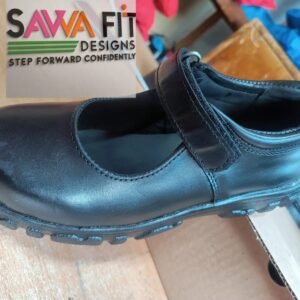

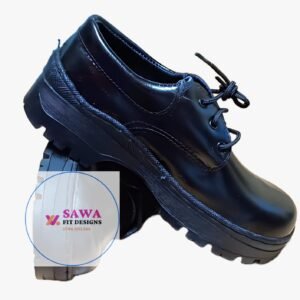
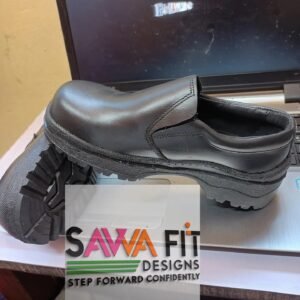
Natural Leather: The Real Deal for Durable School Shoes
You’re probably staring at a pile of worn-out sneakers right now. It happens every term. Kids run, kick, and scuff their way through the school year, and their footwear takes the hardest hit. When you start shopping for back to school shoes, you see labels like “genuine leather,” “synthetic,” and “faux,” and it gets confusing fast.
Let’s clear that up. We are talking about natural leather today. It is the gold standard for durability and comfort. If you want shoes that survive the playground and look good in the classroom, understanding what goes into a pair of Sawa Fit leather shoes can save you money in the long run.
What is Natural Leather?
Natural leather is exactly what it sounds like. It comes from an animal hide, usually cow, sheep, or goat, that has been tanned to stop it from decomposing. Unlike plastic-based materials, it is organic. This means it has unique characteristics like skin pores, natural markings, and a texture that feels “alive” rather than uniform and plastic-like.
Think of it as a second skin. Because it is natural, it breathes. This breathability is a massive deal for active kids. It lets air circulate, reducing sweat and bad odors—something every parent appreciates after a long school day.
Difference Between Synthetic Leather and Natural Leather
You might ask, “Why not just buy the cheaper synthetic pair?” It is a fair question. Synthetic leather (often called faux leather, PU, or vegan leather) is man-made from plastics like polyurethane. It mimics the look of leather but acts very differently.
Here is a quick breakdown of the difference between synthetic leather and natural leather:
- Durability: Natural leather is tough. It resists tearing and puncturing. Synthetic leather tends to peel and crack over time, especially at the crease points where the toes bend.
- Comfort: Natural leather stretches and molds to the shape of the foot. It “breaks in.” Synthetic leather does not give much; it keeps its rigid shape, which can pinch growing feet.
- Breathability: As mentioned, real leather lets feet breathe. Synthetics are essentially plastic sheets, trapping heat and moisture inside.
- Aging: Real leather develops a patina—a soft sheen that looks better with age. Synthetic leather just looks worn out when it gets old.
The 5 Types of Leather
Not all “real” leather is the same quality. When you shop, you will see different grades. Knowing these 5 types of leather helps you spot quality instantly.
1. Full-Grain Leather
This is the top tier. It uses the entire grain of the hide, including the outer layer. It has not been sanded or buffed to remove imperfections. Because the fibers are intact, it is incredibly strong and breathable. High-quality school shoes often use this or top-grain because it handles rough use best.
2. Top-Grain Leather
This is similar to full-grain, but the very top layer has been sanded down to remove scars or blemishes. It is slightly thinner and more pliable, making it easier to work with, but it loses a tiny bit of durability compared to full-grain. It still makes for excellent, long-lasting footwear.
3. Genuine Leather
“Genuine leather” is a tricky term. It sounds premium, but it is actually a specific grade. It is made from the layers of hide that remain after the top is split off for the higher grades. It is real leather, but it is weaker and often has an artificial grain stamped on top to make it look like full-grain. It is cheaper but won’t last as long as the top two.
4. Split-Grain Leather (Suede)
This comes from the lower layers of the hide. It is fuzzy on both sides. We usually know it as suede. It is soft and flexible but absorbs water easily and stains quickly. It’s great for fashion but risky for a muddy school field.
5. Bonded Leather
This is the “hot dog” of leathers. Manufacturers take leather scraps, grind them into dust, mix them with glue, and press them into sheets. It contains leather, so they can legally say “made with leather,” but it peels very quickly. Avoid this for school shoes if you want them to last more than a few months.
Is Natural Leather Durable?
Yes, absolutely. In fact, is natural leather durable is almost a rhetorical question. It is one of the most durable flexible materials on the planet.
For school shoes, this durability is non-negotiable. Kids drag their feet, kick balls, and trip over curbs. A natural leather shoe absorbs these impacts. Even if it gets scuffed, you can polish it back to life. You cannot polish a hole in a plastic shoe.
A solid pair of Sawa Fit shoes uses this natural strength. Instead of falling apart after one term, they maintain their structure. The fibers in the leather hold the stitching tight, whereas synthetic materials often tear right at the seam lines under stress.
Why Sawa Fit Makes Sense for School
When you combine the need for durability with the reality of a budget, you need a brand that hits the sweet spot. Sawa Fit specializes in this balance.
They focus on using proper leather that handles the local environment. Whether it’s a dusty walk to the bus stop or a wet rainy season afternoon, their leather uppers provide the protection young feet need.
- Smart Design: They look sharp for assembly but withstand the chaos of break time.
- Cost-Effective: Because you aren’t replacing them every three months, the cost per wear is lower than cheap synthetics.
- Comfort First: The natural materials prevent blisters and hot spots, letting your child focus on class, not their sore toes.
Taking Care of Natural Leather
To get the most out of your leather shoes, a little maintenance goes a long way.
- Clean them: Wipe off mud and dust with a damp cloth.
- Dry them properly: Never put wet leather shoes next to a heater.17 Let them air dry to stop the leather from stiffening.
- Polish them: A bit of shoe polish feeds the leather, keeps it waterproof, and covers up scuffs.18
Summary
Choosing the right back to school shoes doesn’t have to be a gamble. When you pick natural leather, you choose a material that breathes, stretches, and lasts. It beats synthetic alternatives on almost every metric that matters for a growing child.
By opting for a reliable option like Sawa Fit, you ensure your money goes into a quality product that supports your child’s feet every step of the way.
Next Step: Check the current condition of your child’s school shoes today—if the heels are worn or the toes are peeling, visit the Sawa Fit website to browse their durable natural leather collection.
NATURAL LEATHER
Velcro school shoes girls
Original price was: KSh2,500.KSh2,000Current price is: KSh2,000.Select options This product has multiple variants. The options may be chosen on the product pageClear32343638272829303133353739Back to School Shoes -Genuine Pure Leather
Original price was: KSh1,300.KSh1,000Current price is: KSh1,000.Select options This product has multiple variants. The options may be chosen on the product pageClear3234242526272829303133Boys Black School Shoes
Original price was: KSh1,500.KSh1,200Current price is: KSh1,200.Select options This product has multiple variants. The options may be chosen on the product pageClear363835373940Slip-On School Shoes Boys
Original price was: KSh2,500.KSh2,000Current price is: KSh2,000.Select options This product has multiple variants. The options may be chosen on the product pageClear323436382728293031333537