Need durable footwear? Sawa Fit uses genuine African Leather for back to school shoes. They breathe, last longer, and save you money. Shop the range.
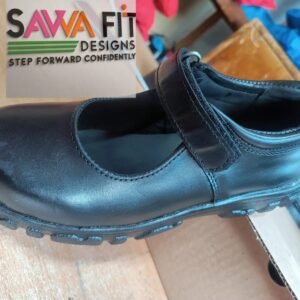
Velcro school shoes girls
Original price was: KSh2,500.KSh2,000Current price is: KSh2,000.Select options This product has multiple variants. The options may be chosen on the product pageClear32343638272829303133353739Back to School Shoes -Genuine Pure Leather
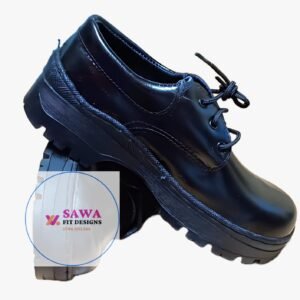
Original price was: KSh1,300.KSh1,000Current price is: KSh1,000.Select options This product has multiple variants. The options may be chosen on the product pageClear3234242526272829303133Boys Black School Shoes
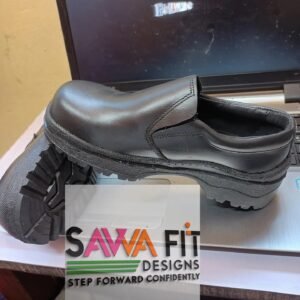
Original price was: KSh1,500.KSh1,200Current price is: KSh1,200.Select options This product has multiple variants. The options may be chosen on the product pageClear363835373940Slip-On School Shoes Boys
Original price was: KSh2,500.KSh2,000Current price is: KSh2,000.Select options This product has multiple variants. The options may be chosen on the product pageClear323436382728293031333537

Why African Leather is the MVP for Back to School Shoes
Let’s be honest: buying school shoes is usually a headache. You buy a shiny pair in January, and by March, they look like they’ve been chewed by a hyena. The soles are flapping, the toes are peeling, and you’re back at the shop spending money you didn’t plan to spend.
If you are tired of the “buy cheap, buy twice” cycle, it is time to look at African Leather. specifically the kind used by brands like Sawa Fit. We aren’t talking about thin, imported synthetic stuff that falls apart at the first sight of a gravel playground. We are talking about rugged, genuine hide that handles the rough-and-tumble reality of school life.
Here is why swapping to African leather for your child’s back to school shoes is the smartest move you will make this term.
What is African Leather?
In the world of footwear, not all leather is created equal. African Leather refers to hides sourced and tanned right here on the continent—often from Kenyan or Ethiopian cattle and sheep. These animals live in varied, often harsh terrains, which naturally produces a hide that has a tighter fiber structure.
For a shoe, this is gold. It means the material is naturally tougher and more resistant to tearing than the mass-produced composite leather you find in budget imports.
When you see a pair of Sawa Fit school shoes, you are looking at this specific type of material. It is thick, robust, and designed to handle our local environment—dust, mud, rain, and heat. It isn’t a delicate fashion material; it’s a workhorse material.
What Does African Leather Smell Like?
You might wonder why the smell matters. But if you have ever opened a box of cheap school shoes, you know that sharp, chemical sting of factory glue and plastic. That is the smell of synthetic materials that suffocate feet.
African Leather smells different. It has a rich, earthy, organic scent. It smells like… skin. Because that is what it is.
When you pick up a shoe made of genuine African leather, that distinct aroma is your first quality check. It tells you there are no heavy plastic coatings hiding bad materials underneath. That natural scent indicates breathable pores, which is exactly what you want for a child who is going to be wearing these shoes for 8 to 10 hours a day.
Is African Leather Good for Summer?
This is a huge concern for parents. Kenya gets hot, and classrooms can be stuffy. You might think leather is too heavy for the heat, but the opposite is true.
African Leather is excellent for summer.
Here is the science: Synthetic shoes are essentially plastic bags for your feet. They trap heat and moisture inside. This creates a swampy environment that leads to blisters, discomfort, and that dreaded “stinky foot” smell when your child takes their shoes off at home.
Genuine leather is porous. It breathes. It allows air to circulate and moisture (sweat) to escape. It regulates temperature naturally, keeping feet cooler when it’s hot and warmer when it’s cold.
If you want your child to focus on their math lesson rather than their itchy, sweaty toes, breathable African leather is the only way to go.
How Long Does African Leather Last?
The million-shilling question: Will these shoes survive the term?
If we are talking about genuine African Leather, the answer is yes—and likely much longer.
African Leather lasts significantly longer than synthetic alternatives because of its structural integrity. When a synthetic shoe gets scratched, the plastic layer peels off, exposing the fabric underneath. It looks terrible and lets water in. You can’t fix it.
Leather behaves differently.
- Scuffs: If your child scuffs their Sawa Fit shoes playing football, you don’t throw them away. You polish them. The polish feeds the leather and covers the mark.
- Flexing: Leather is flexible. It bends with the foot. Synthetics often crack where the toes bend because the plastic can’t handle the repetitive motion.
- Soles: Brands focusing on African leather often pair the sturdy uppers with equally tough soles (often 8mm thick rubber) that don’t wear down in a month.
A good pair of leather school shoes can often last a full year or more, depending on how fast your child’s feet grow.
Why Sawa Fit?
You will see many brands claiming to be “leather,” but Sawa Fit has built a reputation on the real deal. They understand the “African fit”—which accounts for the fact that we often need a bit more width and toe room than European sizing provides.
- Local Design: They build shoes for Kenyan terrain. They know students walk long distances on uneven roads.
- Sole Thickness: They use reinforced rubber soles that resist cracking.
- Cost-Effectiveness: While the upfront price might be slightly higher than the cheapest plastic shoe at the supermarket, the cost per wear is much lower because you aren’t replacing them every term.
The Verdict
Switching to genuine African Leather for back to school shoes isn’t just about looking smart in the assembly line. It is about comfort, foot health, and saving money in the long run. Your child spends more time in their school shoes than any other piece of clothing. They deserve something that fits well, breathes, and protects their feet.
So, before the school gates open, check out the Sawa Fit collection. Grab a pair that smells like real leather, feels like quality, and is built to survive the playground.
Velcro school shoes girls
Original price was: KSh2,500.KSh2,000Current price is: KSh2,000.Select options This product has multiple variants. The options may be chosen on the product pageClear32343638272829303133353739Back to School Shoes -Genuine Pure Leather
Original price was: KSh1,300.KSh1,000Current price is: KSh1,000.Select options This product has multiple variants. The options may be chosen on the product pageClear3234242526272829303133Boys Black School Shoes
Original price was: KSh1,500.KSh1,200Current price is: KSh1,200.Select options This product has multiple variants. The options may be chosen on the product pageClear363835373940Slip-On School Shoes Boys
Original price was: KSh2,500.KSh2,000Current price is: KSh2,000.Select options This product has multiple variants. The options may be chosen on the product pageClear323436382728293031333537