Discover the best boys school footwear Kenya offers. Get practical tips on durable back to school shoes, sizing, leather care, and budgeting for the school term.
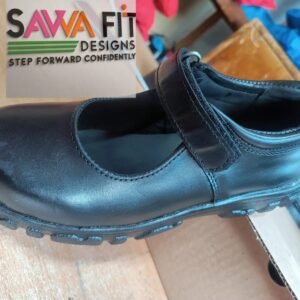
Velcro school shoes girls
Original price was: KSh2,500.KSh2,000Current price is: KSh2,000.Select options This product has multiple variants. The options may be chosen on the product pageClear32343638272829303133353739Back to School Shoes -Genuine Pure Leather
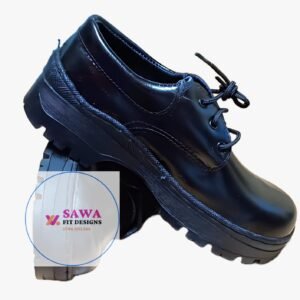
Original price was: KSh1,300.KSh1,000Current price is: KSh1,000.Select options This product has multiple variants. The options may be chosen on the product pageClear3234242526272829303133Boys Black School Shoes
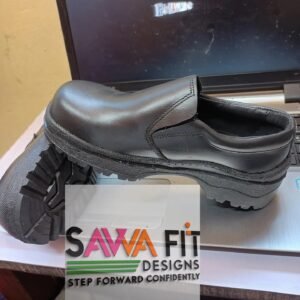
Original price was: KSh1,500.KSh1,200Current price is: KSh1,200.Select options This product has multiple variants. The options may be chosen on the product pageClear363835373940Slip-On School Shoes Boys
Original price was: KSh2,500.KSh2,000Current price is: KSh2,000.Select options This product has multiple variants. The options may be chosen on the product pageClear323436382728293031333537

Boys School Footwear Kenya: A Practical Buying Guide
Every parent knows the frustration. You buy a shiny new pair of shoes in January; by midterm, the toes are scuffed, the stitching is loose, and the sole looks like it went through a grinder. Finding reliable boys school footwear Kenya retailers offer is often a headache. You need something that survives rough concrete playgrounds, muddy rainy seasons, and daily wear while keeping your son comfortable.
This guide cuts through the marketing noise. We will look at what makes a shoe last, which brands actually hold up in the Kenyan market, and how to get the best value for your money when shopping for back to school shoes.
The Reality of Kenyan School Grounds
Before you tap your card or hand over cash, think about where these shoes will go. Most schools in Kenya have a mix of terrain. Your son walks on polished classroom tiles, rough concrete corridors, and dust or mud on the playing field.
A standard dress shoe meant for an office cannot handle this. You need a shoe built for impact. A heavy sole is necessary. Thin soles wear out within weeks on concrete. When looking for back to school shoes, pick the shoe up. It should feel substantial. If it feels light and flimsy in your hand, it will fall apart on his feet.
Check the grip. Kenyan rainy seasons are intense. Corridors become slippery hazards. A shoe with deep treads or a rubberized non-slip sole prevents injuries. Hard plastic soles might look shiny, but they offer zero traction on wet surfaces.
Leather vs. Synthetic: The Material Debate
The most common debate parents have is between genuine leather and synthetic materials. Synthetics are cheaper upfront. You might save 500 to 1,000 KES at the till. However, synthetic shoes are a false economy for active boys.
Synthetic materials like PU (polyurethane) do not breathe. In Nairobi or Mombasa heat, a plastic shoe turns into a sauna. This causes discomfort, bad odors, and even fungal infections. Furthermore, when synthetic material scuffs, it peels. You cannot polish it back to health. Once the top layer is gone, the shoe looks tatty.
Genuine leather is different. It is robust. When your son kicks a stone, leather scuffs but does not peel. You can cover the damage with good quality polish. Leather also molds to the shape of the foot over time which improves comfort. For durable boys school footwear Kenya parents should always prioritize leather for the main daily shoe.
Velcro, Buckles, or Laces?
The fastening method matters more than you think. It depends largely on your son’s age and the school’s uniform policy.
- Velcro: This is the standard for lower primary and kindergarten. Teachers do not have time to tie thirty pairs of shoelaces after a PE lesson. Velcro promotes independence. However, cheap Velcro loses its stickiness quickly as lint and dust accumulate. Check the quality of the strap before buying.
- Laces: These look smarter and are generally required for upper primary and high school students. They allow for a better fit as the shoe can be tightened or loosened. The downside is that laces break. Always buy a spare pair of laces when you buy the shoes.
- Slip-ons: These are convenient but often lack ankle support. If your son runs around a lot, a slip-on might fly off or cause him to twist an ankle.
Sizing: The Thumb Rule
Buying shoes that are “too big to grow into” is a mistake. It changes the way your child walks. They have to claw their toes to keep the shoe on. This causes foot fatigue and can lead to long-term arch issues. Conversely, shoes that are too tight cause blisters and ingrown toenails.
Use the thumb rule. With your son standing up (feet spread and weighted), press your thumb sideways at the end of the toe box. There should be about a thumb’s width of space between his longest toe and the end of the shoe. This allows for growth and movement without the shoe being sloppy.
Shop in the afternoon. Feet swell slightly throughout the day. A shoe that fits perfectly at 9 AM might be tight by 4 PM.
Top Brands and Market Options in Kenya
You have several avenues for purchasing boys school footwear Kenya. The market ranges from high-end specialized stores to local open-air markets.
SAWAFIT
Sawafit is the dominant player for a reason. Their Toughees line is the benchmark for back to school shoes in KENYA. They usually come with a six-month guarantee. If the sole cracks or the stitching fails within that period, you get a replacement. This warranty offers peace of mind. The leather is generally hard-wearing, though it can be stiff initially.
Local Brands (Umoja)
Umoja and other local manufacturers offer rubber and canvas options. While they produce leather shoes, they are most famous for their canvas “rubbers” used for PE. They are affordable and widely available. For leather options, their price point is lower than Bata, making them a strong budget contender.
Second-hand (Mitumba)
Markets like Gikomba or Toi sell high-quality imported leather shoes. You can find brands like Clarks or Dr. Martens at a fraction of the retail price. The quality of leather on these imported shoes is often superior. The downside is the time investment. You have to dig to find the right size and condition. Hygiene is also a factor; you must disinfect used shoes thoroughly.6
Supermarkets
Chains like Naivas or Carrefour stock school shoes during the back-to-school season. These are often generic imports. They are convenient if you are doing grocery shopping, but the quality varies wildly. Inspect the stitching and sole glue carefully.
Comparison of School Shoe Sources:
| Source | Price Range | Durability | Convenience |
| Sawafit | Medium | Excellent | High |
| Supermarkets | High | Variable | High |
| Mitumba Markets | Low/Medium | High (If chosen well) | Low (Hard to find sizes) |
| Local Stalls | Low | Low | Medium |
Don’t Forget the PE Kit
Your shopping list for boys school footwear Kenya isn’t done with black shoes. Almost every school requires sports shoes. These are usually referred to as “rubbers” or sneakers.
Most schools require them to be predominantly white or black. Avoid canvas plimsolls if your son plays heavy sports; they offer no arch support or shock absorption. Look for a cushioned running shoe. The playground surface for PE is often the same uneven ground they walk on. A decent sports shoe protects their knees and ankles during high-impact activities.
Extending the Lifespan: Care and Maintenance
You can double the life of a pair of shoes with basic maintenance. Teach your son to take responsibility for his gear.
- Polish Weekly: Polish does not just make shoes shine. It adds a wax layer that repels water and keeps the leather flexible. Dry leather cracks.
- Air Them Out: Boys’ feet sweat. If he wears the same shoes Monday to Friday without airing them, the inner sole will rot. If you can afford it, buying two cheaper pairs and rotating them is often better than buying one expensive pair that never dries out.
- Repair Early: If a heel starts to wear down on one side, take it to a local cobbler (fundi) immediately. A 50 KES heel repair now prevents the entire sole structure from collapsing later.
Budgeting for the School Year
School shoes are a recurring expense. Children’s feet grow in spurts. It is normal to go through two sizes in a year.
Do not blow your entire budget in January. Expect to replace shoes in roughly May or August. If you buy the most expensive pair in January thinking it will last until December, you might be disappointed when a growth spurt hits in June.
Calculate the “cost per wear.” A 3,000 KES pair that lasts three terms costs about 15 KES per school day. A 1,000 KES pair that falls apart in three weeks costs roughly 66 KES per school day. The higher upfront cost is usually the cheaper option in the long run.
Final Thoughts
Shopping for boys school footwear Kenya requires a balance of budget, durability, and comfort. Do not get swayed by brand names alone; look at the construction. Check the stitching. Twist the sole to check for stability. Smell the material to confirm it is leather.
Your son spends eight to ten hours a day in these shoes. They affect his posture, his comfort in class, and his ability to play. Investing time in selecting the right pair of back to school shoes pays off.
Next Step: specific shoe models change often. Would you like me to create a quick checklist of “tests” you can perform in the shop (like the flex test or the stitching check) to evaluate a shoe’s quality before buying?
Velcro school shoes girls
Original price was: KSh2,500.KSh2,000Current price is: KSh2,000.Select options This product has multiple variants. The options may be chosen on the product pageClear32343638272829303133353739Back to School Shoes -Genuine Pure Leather
Original price was: KSh1,300.KSh1,000Current price is: KSh1,000.Select options This product has multiple variants. The options may be chosen on the product pageClear3234242526272829303133Boys Black School Shoes
Original price was: KSh1,500.KSh1,200Current price is: KSh1,200.Select options This product has multiple variants. The options may be chosen on the product pageClear363835373940Slip-On School Shoes Boys
Original price was: KSh2,500.KSh2,000Current price is: KSh2,000.Select options This product has multiple variants. The options may be chosen on the product pageClear323436382728293031333537
Boys School Footwear Kenya