Design business website for me Kenya
Looking to design a business website in Kenya? Get clear pricing, essential features like M-Pesa integration, and tips to hire the right pros. Start here.
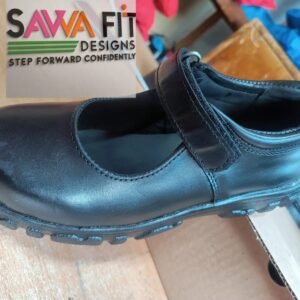
Velcro school shoes girls
Original price was: KSh2,500.KSh2,000Current price is: KSh2,000.Select options This product has multiple variants. The options may be chosen on the product pageClear32343638272829303133353739Back to School Shoes -Genuine Pure Leather
Original price was: KSh1,300.KSh1,000Current price is: KSh1,000.Select options This product has multiple variants. The options may be chosen on the product pageClear3234242526272829303133Boys Black School Shoes
Original price was: KSh1,500.KSh1,200Current price is: KSh1,200.Select options This product has multiple variants. The options may be chosen on the product pageClear363835373940Slip-On School Shoes Boys
Original price was: KSh2,500.KSh2,000Current price is: KSh2,000.Select options This product has multiple variants. The options may be chosen on the product pageClear323436382728293031333537

Design Business Website for Me Kenya: The No-Nonsense Guide
You are likely here because you know your business needs to be online. You might be running a hardware store in Industrial Area, a consultancy in Westlands, or a boutique in Mombasa. The goal is the same. You need a digital shopfront that works as hard as you do.
When you ask a professional to “design business website for me Kenya,” you aren’t just asking for pretty colors. You want a tool that brings in customers. With internet penetration in Kenya hitting over 83% and smartphone usage skyrocketing, a website is the bare minimum for staying competitive.
Here is exactly what you need to know about getting a business website designed in Kenya today.
Why a Facebook Page Isn’t Enough
Social media is great, but you don’t own it. Algorithms change, and accounts get blocked. A website is digital real estate you actually own.
- Credibility: A
.co.keor.comdomain tells customers you are serious. - Searchability: People searching “plumbers in Nairobi” on Google won’t easily find your Instagram page. They will find a website optimized for those terms.
- 24/7 Sales: Your physical shop closes at 5 PM. Your website stays open to answer questions and take orders.
The Essentials: What Your Kenyan Business Website Needs
Don’t let a developer confuse you with technical terms. When you set out to design business website projects, these features are non-negotiable for the Kenyan market.
1. Mobile-First Design
Most of your customers will visit your site on a phone. If your site requires pinching and zooming to read, they will leave. Google also penalizes sites that aren’t mobile-friendly. Your site must look perfect on a Tecno, Samsung, or iPhone.
2. Speed is Money
Kenyans value their data bundles. A heavy, slow website eats up data and tests patience. A good design loads in under 3 seconds.
3. Local Payment Integration
If you plan to sell directly, you need M-Pesa. It is the lifeblood of Kenyan commerce.
- M-Pesa STK Push: The customer enters their number, gets a pop-up on their phone, and enters their PIN. Simple.
- Card Options: Visa and Mastercard are helpful for international clients or higher-value B2B transactions.
4. SEO (Search Engine Optimization)
A beautiful site that no one sees is useless. Basic SEO involves using the right words (keywords) so Google knows what you do. If you sell “office furniture in Nairobi,” those words need to appear in your titles and descriptions.
The Cost: How Much Should You Pay?
Pricing is where most business owners get stuck. In Kenya, the cost to design business website packages varies wildly. Here is a realistic breakdown based on current market rates in 2025/2026.
| Website Type | Estimated Cost (KES) | Best For | What to Expect |
| Basic / Starter | 15,000 – 30,000 | Personal brands, simple portfolios. | 1-5 pages, template design, contact form. |
| Standard Business | 35,000 – 80,000 | SMEs, Service providers (Lawyers, Consultants). | Custom look, SEO setup, blog section, Google Maps integration. |
| E-commerce | 80,000 – 250,000+ | Online stores selling products. | Product catalog, shopping cart, M-Pesa integration, user accounts. |
| Custom / Web App | 300,000+ | Large corps, complex platforms (e.g., Real Estate portals). | Custom coding, databases, high-level security, specialized functions. |
Note: These prices usually cover design. You will also pay for Domain Registration (approx. KES 1,000/year) and Hosting (KES 3,000 – 10,000/year).
The Process: From Idea to Launch
Knowing the steps helps you manage your web designer effectively.
- Discovery: You explain your business goals. “I want to get more leads for my catering business.”
- Sitemap: The designer lists the pages you need (Home, About Us, Services, Menu, Contact).
- Content Collection: You provide the text and images. This is usually the biggest bottleneck. Have your company profile and photos ready early.
- Design & Development: The designer builds the site.
- Review: You check the site on your phone and computer. Test the contact forms.
- Launch: The site goes live.
Red Flags When Hiring
The market has many talented developers, but also many quacks. Watch out for these warning signs when looking for someone to “design business website for me Kenya”:
- No Portfolio: If they can’t show you previous work that is currently live, walk away.
- Too Cheap: A KES 5,000 website will likely be broken, hacked, or abandoned in a month.
- They Don’t Ask Questions: A pro wants to know about your customers and competitors. A rookie just asks what colors you like.
- Hostage Holding: Make sure you own the domain and hosting credentials. You should have the keys to your own house.
Maintenance and Security
The job isn’t done at launch. Websites are like cars; they need service.
- Updates: CMS software (like WordPress) needs regular updating to close security loopholes.
- Backups: Things break. Ensure your host or designer runs automatic weekly backups.
- SSL Certificate: This is the little padlock next to your URL. It encrypts data and builds trust. Most hosts include this for free now.
Taking the Next Step
Getting a website is a business decision, not an IT expense. It connects you to the millions of Kenyans searching online every day. By focusing on speed, mobile usability, and clear content, you build an asset that pays for itself.
Start by writing down exactly what you want your site to achieve. Then, look for a partner who speaks your language, not just code.
Velcro school shoes girls
Original price was: KSh2,500.KSh2,000Current price is: KSh2,000.Select options This product has multiple variants. The options may be chosen on the product pageClear32343638272829303133353739Back to School Shoes -Genuine Pure Leather
Original price was: KSh1,300.KSh1,000Current price is: KSh1,000.Select options This product has multiple variants. The options may be chosen on the product pageClear3234242526272829303133Boys Black School Shoes
Original price was: KSh1,500.KSh1,200Current price is: KSh1,200.Select options This product has multiple variants. The options may be chosen on the product pageClear363835373940Slip-On School Shoes Boys
Original price was: KSh2,500.KSh2,000Current price is: KSh2,000.Select options This product has multiple variants. The options may be chosen on the product pageClear323436382728293031333537
Design business website for me Kenya