E-commerce Marketplace
Velcro school shoes girls
Original price was: KSh2,500.KSh2,000Current price is: KSh2,000.Select options This product has multiple variants. The options may be chosen on the product pageClear32343638272829303133353739Back to School Shoes -Genuine Pure Leather
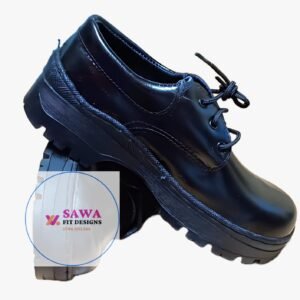
Original price was: KSh1,300.KSh1,000Current price is: KSh1,000.Select options This product has multiple variants. The options may be chosen on the product pageClear3234242526272829303133Boys Black School Shoes
Original price was: KSh1,500.KSh1,200Current price is: KSh1,200.Select options This product has multiple variants. The options may be chosen on the product pageClear363835373940Slip-On School Shoes Boys
Original price was: KSh2,500.KSh2,000Current price is: KSh2,000.Select options This product has multiple variants. The options may be chosen on the product pageClear323436382728293031333537



The Kenyan E-commerce Marketplace: A Guide for Online Sellers
The e-commerce marketplace in Kenya is a space of rapid growth and opportunity. With increasing internet penetration and a growing middle class, more Kenyans are turning to online platforms to shop for a variety of goods and services. For entrepreneurs and established businesses, this shift presents a direct path to a larger customer base. This article provides a straightforward guide to understanding and navigating the e-commerce landscape in Kenya.
Understanding the E-commerce Landscape in Kenya
Kenya’s e-commerce market is characterized by a few major players and a host of specialized platforms. Mobile commerce is particularly dominant, with a significant majority of online transactions taking place on smartphones. This trend is largely driven by the widespread use of mobile money services like M-Pesa, which has simplified online payments for millions.
The market is not without its challenges. Logistical hurdles, particularly in last-mile delivery to rural areas, can be a concern. Additionally, building trust with customers who may be wary of online scams is a continuous process for any online seller. However, the consistent year-on-year growth in online shoppers indicates a positive trajectory for the e-commerce marketplace in Kenya.
Top E-commerce Platforms in Kenya
Several platforms form the backbone of the e-commerce marketplace in Kenya. Each offers a different set of features and caters to slightly different audiences.
- Jumia Kenya: Often considered the largest e-commerce platform in the country, Jumia offers a vast selection of products, from electronics and fashion to home appliances and groceries. For sellers, Jumia provides a comprehensive ecosystem that includes a seller center for managing inventory and orders, as well as logistics and marketing support.
- Kilimall: A strong competitor to Jumia, Kilimall is known for its affordable pricing on a wide array of products. The platform also offers a “Fulfilled by Kilimall” service, which allows sellers to store their products in Kilimall’s warehouses, streamlining the order fulfillment process.
- Jiji (formerly OLX): Jiji operates as an online classifieds marketplace where individuals and businesses can buy and sell a wide range of new and used items. It’s a popular platform for unique finds and second-hand goods, offering a less formal and more direct interaction between buyer and seller.
- Carrefour Kenya: A major supermarket chain, Carrefour has successfully extended its reach online. It offers customers the convenience of shopping for groceries and household essentials from home, with options for delivery or in-store pickup.
- Copia Kenya: This platform has carved a niche for itself by focusing on customers in rural and peri-urban areas. Copia utilizes a network of local agents where customers can place and pick up their orders, effectively addressing the “last-mile” delivery challenge.
How to Succeed as a Seller in the Kenyan E-commerce Marketplace
To effectively sell on these platforms, you need a clear strategy. Here are some practical steps to get you started:
- Choose the Right Platform: Your choice of platform will depend on the products you sell. High-demand electronics might do well on Jumia or Kilimall, while unique, handcrafted items could find a market on Jiji. If your target audience is primarily outside of major urban centers, Copia might be the best fit.
- Optimize Your Product Listings: High-quality images and clear, concise product descriptions are non-negotiable. Use photos that showcase your product from multiple angles. In your descriptions, focus on the key features and benefits. Use relevant keywords that potential customers are likely to search for.
- Price Competitively: Research what your competitors are charging for similar products. Your pricing strategy should account for the platform’s commission fees, shipping costs, and your desired profit margin.
- Manage Your Inventory: Keep a close watch on your stock levels to avoid selling items that are no longer available. An updated inventory helps maintain a good seller rating and customer trust.
- Provide Excellent Customer Service: Respond to customer inquiries promptly and professionally. Positive reviews are a significant factor in attracting new customers on any e-commerce platform.
The Future of E-commerce in Kenya
The Kenyan e-commerce market is projected to continue its upward trend. Several factors are expected to fuel this growth:
- Increased Mobile and Internet Penetration: As more Kenyans gain access to affordable smartphones and data, the pool of potential online shoppers will expand.
- Advancements in Fintech: The continued innovation in digital payment solutions will make online transactions even more seamless and secure, further boosting consumer confidence.
- Rise of Social Commerce: Social media platforms are increasingly integrating e-commerce features, allowing businesses to sell directly to their followers. This trend is expected to become a significant sales channel.
- Focus on Niche Markets: We can expect to see the rise of more specialized e-commerce platforms catering to specific interests and product categories.
For anyone looking to enter or expand their presence in the online retail space, the e-commerce marketplace in Kenya offers substantial opportunities. By understanding the key players, adopting best practices for selling online, and staying informed about market trends, you can effectively reach a growing audience of digital consumers.
Velcro school shoes girls
Original price was: KSh2,500.KSh2,000Current price is: KSh2,000.Select options This product has multiple variants. The options may be chosen on the product pageClear32343638272829303133353739Back to School Shoes -Genuine Pure Leather
Original price was: KSh1,300.KSh1,000Current price is: KSh1,000.Select options This product has multiple variants. The options may be chosen on the product pageClear3234242526272829303133Boys Black School Shoes
Original price was: KSh1,500.KSh1,200Current price is: KSh1,200.Select options This product has multiple variants. The options may be chosen on the product pageClear363835373940Slip-On School Shoes Boys
Original price was: KSh2,500.KSh2,000Current price is: KSh2,000.Select options This product has multiple variants. The options may be chosen on the product pageClear323436382728293031333537
E-commerce Marketplace