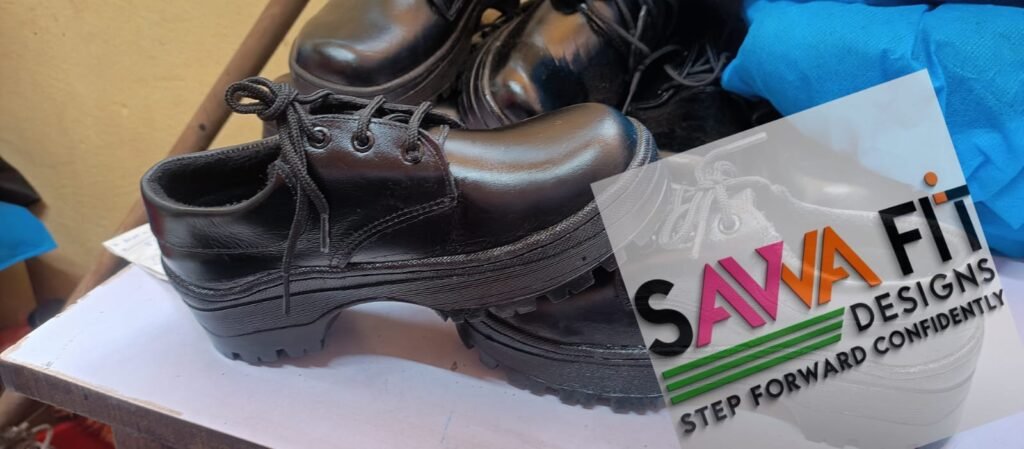
How Often Should You Replace Your Child’s School Shoes? 7 Signs It’s Time
Buying school shoes is an expense most parents expect to repeat from time to time, but knowing exactly when to replace school shoes is not always obvious. Some children outgrow their shoes before they show significant wear, while others wear through the soles or damage the upper long before the school year ends.
There is no single replacement schedule that works for every child. How long school shoes last depends on the child’s age, growth rate, walking habits, school environment, shoe quality, frequency of use and how well the shoes are maintained.
A well-made pair of school shoes can provide good service for a significant period, but even durable footwear eventually needs replacing.
Here are seven signs that your child’s school shoes may have reached the end of their useful life.
1. Your Child Has Outgrown the Shoes
The most obvious reason to replace children’s school shoes is that their feet have grown.
Children’s feet do not grow at a uniform rate. A shoe that fitted perfectly at the beginning of a school term may become uncomfortable several months later.
Watch for signs such as:
- Your child’s toes touching the front of the shoe
- Complaints of pressure around the toes
- Red marks after removing the shoes
- Difficulty putting the shoes on
- Your child frequently asking to remove the shoes
- Visible bulging around the sides
- A previously comfortable shoe suddenly feeling tight
Do not assume that a shoe is still suitable simply because it still looks new.
Why buying a larger shoe isn’t always the answer
Parents sometimes buy shoes several sizes too large because they want them to last longer. Unfortunately, excessively large school shoes can move around on the foot and make walking less stable.
The better approach is to allow reasonable room for growth without sacrificing a secure fit.
SAWA FIT’s own fitting guidance emphasizes checking both feet, allowing appropriate toe room and ensuring that the heel remains secure.
2. The Sole Has Become Excessively Worn
The sole is one of the most important parts of a school shoe because it absorbs contact with the ground and provides traction.
Inspect the sole regularly.
Look for:
- Smooth areas where tread has disappeared
- Uneven wear
- Deep cracks
- Separation between the sole and upper
- Holes
- Excessive thinning
- Loss of grip
A child who walks long distances every day may wear the soles considerably faster than a child who is driven to school.
Uneven sole wear matters
Pay particular attention to one-sided wear. If one part of the sole is substantially more worn than another, it may affect how the shoe sits on the ground.
A heavily worn sole is not merely a cosmetic problem. It can reduce traction and make the shoe less suitable for everyday school activities.
3. The Leather Is Cracking or Peeling
Leather school shoes can be durable, but they still require proper care.
Small surface marks are not necessarily a reason to throw a shoe away. However, deep cracks, major peeling or damaged sections of leather may indicate that the shoe can no longer provide the protection it was designed to provide.
Check particularly:
- Around the toe
- Along the sides
- Near the creases
- Around the heel
- Near stitching
- Around closure areas
Regular cleaning and appropriate shoe care can help extend the usable life of leather footwear.
4. The Shoe Has Lost Its Shape
A school shoe should retain its basic structure.
If the heel collapses, the toe becomes badly distorted or the sides become permanently misshapen, the shoe may no longer provide a proper fit.
Children often put considerable stress on their footwear. Running, jumping, kneeling, playing and walking on uneven surfaces can gradually deform a shoe.
Check the heel counter
The back of the shoe should continue holding the heel reasonably securely.
If the heel slips significantly every time your child walks, the shoe may be excessively worn or the fit may no longer be appropriate.
5. Your Child Complains of Pain or Discomfort
Never ignore repeated complaints that school shoes hurt.
A child may experience discomfort because:
- The shoe has become too small
- The upper has hardened or damaged
- The sole has lost cushioning
- The shoe has become distorted
- The closure is too tight
- The child’s foot shape has changed
- The shoe was never properly fitted
Ask your child where the discomfort occurs.
| Complaint | Possible issue to investigate |
|---|---|
| Toes hurt | Shoe may be too short or narrow |
| Heel hurts | Heel fit or rubbing problem |
| Sides hurt | Shoe may be too narrow |
| Bottom of foot hurts | Cushioning or sole wear |
| Blisters | Friction or poor fit |
| General tiredness | Fit, cushioning or shoe construction |
If pain continues despite changing the shoe or correcting the fit, consider speaking with an appropriate healthcare professional.
6. The Shoes No Longer Provide Adequate Grip
School footwear needs to cope with more than classroom floors.
Children walk across:
- Pavements
- School compounds
- Corridors
- Grass
- Outdoor play areas
- Wet surfaces
- Uneven ground
When the sole becomes excessively smooth, traction can decrease.
This is especially important during rainy weather when outdoor surfaces may become slippery.
A shoe does not necessarily need replacing because it has lost its shine, but a badly worn outsole deserves serious attention.
7. The Shoe Has Reached the End of Its Practical Life
Sometimes several small problems occur together.
The shoe may still technically be wearable, but you may notice:
- Worn soles
- Cracked leather
- Loose stitching
- A collapsed heel
- Reduced comfort
- A poor fit
- Damaged closures
When several of these occur simultaneously, replacing the pair is usually more sensible than continuing to repair it repeatedly.
How Long Should Children’s School Shoes Last?
There is no universal lifespan.
A useful way to think about replacement is not in terms of a fixed number of months but in terms of condition and fit.
A high-quality shoe used carefully may last considerably longer than a poorly constructed shoe exposed to heavy daily use.
| Factor | Effect on lifespan |
|---|---|
| Child’s activity level | High activity can increase wear |
| Walking distance | More walking usually means more sole wear |
| Shoe construction | Better construction can improve durability |
| Material | Quality materials generally withstand regular use better |
| Maintenance | Proper care can extend useful life |
| Weather | Moisture can accelerate deterioration |
| Fit | Poor fit can cause abnormal wear |
| School environment | Rough outdoor surfaces can increase wear |
How to Make School Shoes Last Longer
Replacing shoes when necessary does not mean parents cannot extend their lifespan.
Teach your child to:
- Use the correct closure.
- Avoid kicking shoes off without opening them.
- Keep shoes dry.
- Clean dirt regularly.
- Polish appropriate leather footwear.
- Avoid leaving wet shoes in direct intense heat.
- Store shoes in a ventilated place.
- Alternate pairs when practical.
Leather school shoes benefit from regular cleaning and care. SAWA FIT’s leather products are described as having protective uppers and durable soles, with shoe cream and black polish recommended for maintaining appearance and protection.
A Simple Monthly School Shoe Check
Parents do not need to wait until a shoe completely fails.
Once a month, take two minutes to inspect:
- Size
- Toe room
- Sole condition
- Heel condition
- Leather
- Stitching
- Closure
- Interior
- Overall comfort
This simple routine can help identify problems before they become bigger.
Final Thoughts
So, how often should you replace school shoes? The answer depends less on the calendar and more on the condition and fit of the footwear.
Replace your child’s school shoes when they become too small, excessively worn, damaged, uncomfortable or unable to provide adequate grip and support.
For growing children, regular fit checks are particularly important. A shoe can look almost new and still be too small.
When purchasing a replacement, prioritize appropriate sizing, durable construction, comfortable interiors and a sole suitable for everyday school activity.
For parents looking for locally made leather footwear, SAWA FIT offers several children’s school-shoe styles designed for regular school use, including genuine leather options.