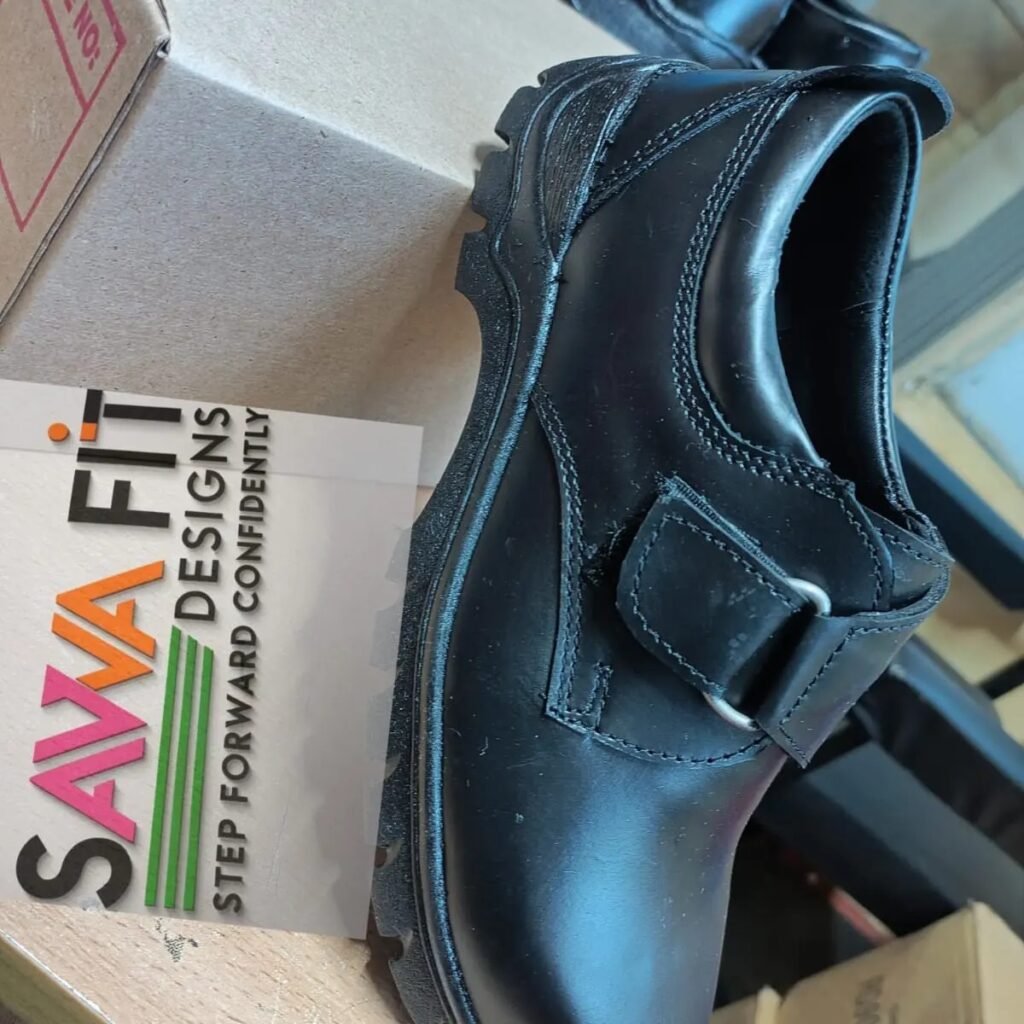
How to Make School Shoes Last the Whole Year: 9 Care Hacks That Save You KSh 1,000s
Here’s a number that should annoy you: a child wears school shoes for roughly 200 days a year. Yet many Kenyan parents replace two or three pairs in that time, at KSh 1,000–3,000 a pop.
Some of that is fast-growing feet — fair enough. But a big chunk is shoes dying early from neglect. The difference between a pair that lasts three months and one that lasts twelve usually isn’t the shoe. It’s the care.
These nine hacks take minutes a week and can save you KSh 2,000–5,000 a year per child.
Why School Shoes Wear Out Fast in Kenya
Before the fixes, know the killers. School shoes in Kenya face a brutal routine:
- Eight to ten hours of daily wear, five days a week
- Dust in the dry terms, mud and soaking in the wet ones
- Playground football, skipping, and general destruction at break time
- Zero rest days — the same pair, every single day
That last point matters more than most parents realize. Shoes need recovery time just like feet do. Which brings us to the hacks.
9 Care Hacks That Make School Shoes Last Longer
1. Polish Every Week — No Exceptions
Polish isn’t about shine. It fills the leather’s pores, blocks water, and keeps the material supple instead of brittle. A KSh 150 tin of black polish lasts months and adds months to the shoe.
Make it a Sunday evening ritual: shoes polished, laid out with the uniform. Ten minutes, done.
2. Wipe Mud Off the Same Day
Dried mud is a slow poison. It sucks moisture out of leather, leaving cracks that water then exploits. A damp cloth after school on muddy days takes two minutes and prevents most rainy-season damage.
3. Never Dry Wet Shoes With Heat
This is the hack parents break most. Wet shoes go near the jiko, in direct sun, or on the car dashboard — and the leather splits while the glue melts.
Instead: remove the insoles, stuff the shoes with newspaper, and leave them in a shaded, breezy spot. Newspaper pulls moisture out overnight. Slow drying saves shoes; fast drying kills them.
4. Rotate Two Pairs If You Can
Shoes worn daily never fully dry or recover their shape. Two pairs alternating each get a rest day — and together they outlast three pairs worn in sequence.
The maths: a KSh 1,200 leather pair plus a cheaper backup pair costs less than replacing one pair twice mid-year. Stores like sawafit.com price their leather school shoes from KSh 1,000, which makes a second pair genuinely affordable.
5. Fix Small Problems the Same Week
A loose thread today is a split seam next month. A lifting sole edge this week is a flapping sole next week. Kenyan cobblers re-stitch and re-bond for KSh 50–200 — pocket change against a KSh 1,400 replacement.
Do a monthly inspection: soles, seams, buckles, eyelets. Catch it small, fix it cheap.
6. Untie and Unbuckle — Don’t Kick Shoes Off
Kids stomp shoes off without unfastening them, crushing the heel counter day after day. Once that stiff heel cup collapses, the shoe loses support and fit permanently.
Teach the routine: unbuckle or unlace, then remove. It adds five seconds and months of life.
7. Use Shoe Trees or Newspaper When Stored
Shoes left crumpled in a bag over the holidays lose their shape. Stuff them with newspaper (or proper shoe trees if you have them) whenever they’ll sit unworn for more than a few days. Shape kept is life kept.
8. Match the Shoe to the Weather
If you have two pairs, run a simple system: the leather pair with fresh polish for wet weeks, the backup pair for the driest stretches. Rotating by weather means neither pair takes the full beating of the season.
9. Buy Quality Once Instead of Cheap Thrice
All the care in the world won’t save a shoe built from cardboard-stiff synthetic. Genuine leather with a rubber sole responds to care — it softens, moulds, and repairs. Synthetic just cracks on schedule.
The leather school shoes at sawafit.com start at KSh 1,000 and are built to be maintained, not replaced. That’s the foundation every other hack stands on.
Your Weekly School Shoe Care Routine
Put the hacks on autopilot with this simple schedule:
| Day | Task | Time Needed |
|---|---|---|
| Monday–Friday (daily) | Quick wipe if muddy or dusty | 2 minutes |
| Sunday evening | Full clean + polish + air out | 10 minutes |
| First Saturday of the month | Inspect soles, seams, buckles | 5 minutes |
| End of each term | Deep clean, stuff with newspaper, store properly | 15 minutes |
Total commitment: about 20 minutes a week. Total savings: thousands of shillings a year.
What NOT to Do to School Shoes
Some popular “care tips” actually destroy shoes faster:
- Don’t wash leather shoes in water. Soaking strips natural oils and hardens the leather.
- Don’t use bleach or harsh detergents on uppers — they stain and dry out leather.
- Don’t dry on direct heat. Worth saying twice. It’s the number one shoe killer in Kenyan homes.
- Don’t ignore smell. Odour means trapped moisture and bacteria. Air the shoes, replace insoles if needed, and check that feet are dry before wearing.
When Care Can’t Save the Shoe
Be honest about the end of the road. Replace the pair when:
- The sole is worn smooth (slipping hazard on wet floors)
- The upper has cracked through, not just scuffed
- The heel counter has collapsed
- Your child’s toes are at the edge — no hack beats growth
A well-maintained genuine leather pair should reach these points after 9–12 months, by which time most kids have outgrown them anyway.
FAQs: Making School Shoes Last Longer
How long should a good school shoe last in Kenya?
With weekly polish and proper drying, genuine leather school shoes last 9–12 months of daily wear. Without care, even good shoes can die in three.
Is polish really necessary every week?
During rainy season, yes — it’s your waterproofing. In dry months, every two weeks is enough. Skip it entirely and the leather dries, cracks, and lets water in.
Can school shoes be repaired in Kenya?
Yes — cobblers in every town re-sole, re-stitch, and replace buckles for KSh 50–300. Repairs make sense for leather uppers in good shape; they rarely pay off for synthetic shoes.
Does buying two pairs really save money?
Two pairs at KSh 1,200 each, rotated, comfortably outlast a year. One pair at KSh 1,200, replaced twice, costs KSh 3,600 and still leaves you shoeless mid-term. Rotation wins.
Twenty Minutes a Week, Thousands Saved a Year
School shoes don’t die of old age — they die of skipped polish, hot drying, and ignored stitching. Build the Sunday polish ritual, keep shoes away from heat, and fix small problems while they’re still small.
Start with a pair worth caring for. Browse durable genuine leather school shoes from KSh 1,000 at sawafit.com — delivered countrywide, payable by M-Pesa.