Curious about where does leather come from? Learn about the animal sources, the global tanning process, and how raw hides become the material you use every day.
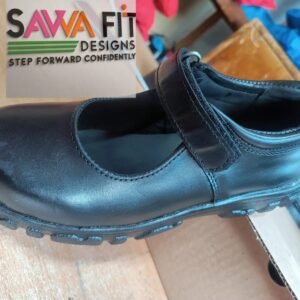
Velcro school shoes girls
Original price was: KSh2,500.KSh2,000Current price is: KSh2,000.Select options This product has multiple variants. The options may be chosen on the product pageClear32343638272829303133353739Back to School Shoes -Genuine Pure Leather
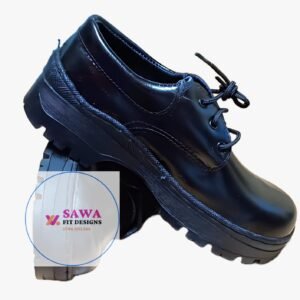
Original price was: KSh1,300.KSh1,000Current price is: KSh1,000.Select options This product has multiple variants. The options may be chosen on the product pageClear3234242526272829303133Boys Black School Shoes
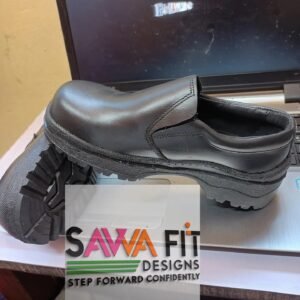
Original price was: KSh1,500.KSh1,200Current price is: KSh1,200.Select options This product has multiple variants. The options may be chosen on the product pageClear363835373940Slip-On School Shoes Boys
Original price was: KSh2,500.KSh2,000Current price is: KSh2,000.Select options This product has multiple variants. The options may be chosen on the product pageClear323436382728293031333537

Where Does Leather Come From? A Look Behind the Material
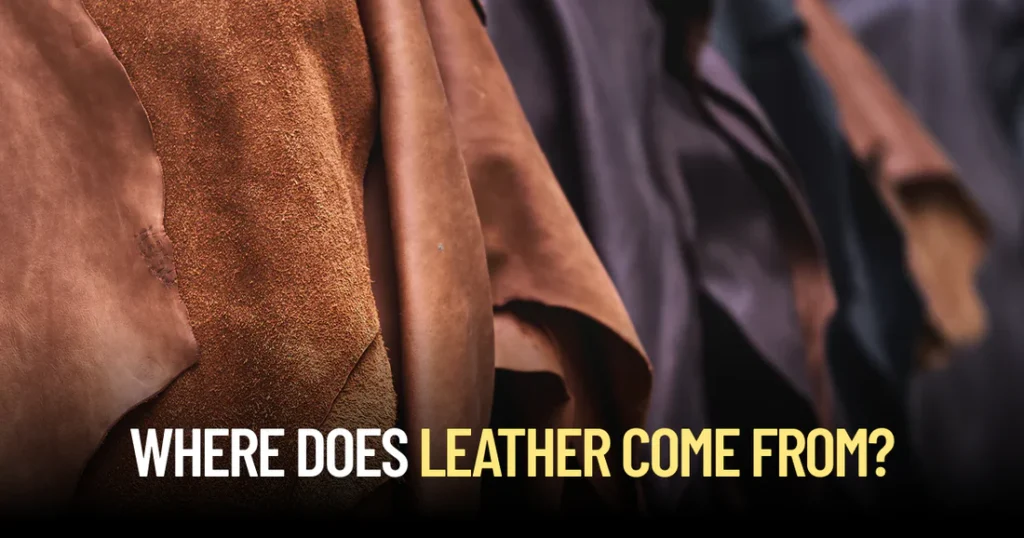
You probably interact with leather every single day. It might be the shoes on your feet, the wallet in your pocket, or the seats in your car. It feels permanent and reliable, yet we rarely stop to ask: Where does leather come from originally?
The short answer is that leather comes from animal skin that has been treated to stop it from decomposing. But the full story involves a massive global supply chain that connects the food industry to fashion and automotive manufacturing.
Here is a breakdown of exactly where your leather goods originate, how they are made, and what you should know about the materials you buy.
The Animal Sources: It Starts With Livestock
You might assume leather production drives the raising of animals, but the reality is quite different. The vast majority of leather is a byproduct of the meat and dairy industries.
When animals are processed for food, the skin is left over. If these hides were not turned into leather, they would likely end up in landfills. By tanning them, manufacturers upcycle waste into a durable material.
Here are the primary animals that provide the world’s leather supply:
- Cattle (Cows, Oxen, Calves): This is the heavyweight of the industry. Approximately 65% of all leather comes from bovine animals. Cowhide is favored because it is large, thick, and durable, making it ideal for furniture, car interiors, and jackets.
- Sheep: Sheepskin accounts for about 13% of the market. It is much softer and more pliable than cowhide, which explains why you often find it in high-end gloves or lightweight jackets. If the wool is left on, it is called shearling.
- Goats: Goat leather makes up roughly 11% of global production. It has a tight, grainy texture and is incredibly tough despite being thin. This makes it perfect for gloves, bookbinding, and shoes.
- Pigs: Pigskin covers around 10% of the market. It is often used for shoe liners or sturdy leather goods like footballs and saddles. It is easily identifiable by the small hair follicle clusters on the surface.
Exotic Leathers
While cattle, sheep, goats, and pigs make up 99% of the market, a tiny fraction comes from exotic animals. This includes alligators, snakes, ostriches, and kangaroos. Unlike livestock leather, these skins are sometimes the primary reason the animal is raised, which raises different ethical questions compared to bovine leather.
Where in the World Is Leather Made?
Leather is produced all over the globe, but a few key players dominate the market. The location often dictates the type and quality of the leather you get.
1. China
China is the world’s largest producer of leather. The country processes millions of tons of hides annually. It handles everything from raw hide processing to the manufacturing of finished goods like belts and bags.
2. Brazil
As one of the world’s largest beef exporters, Brazil has a massive supply of raw cowhides. It is a major hub for heavy leathers used in furniture and upholstery.
3. Italy
When you hear “quality leather,” you likely think of Italy. While they import many raw hides from elsewhere, Italian tanneries are famous for their finishing techniques. They focus on the high-end luxury market, producing the soft, chemically complex leathers used by top fashion houses.
4. India
India is a significant producer, particularly for buffalo and goat leather.18 The industry here is vast and supplies both raw materials and finished goods to the West.
From Hide to Product: The Tanning Process
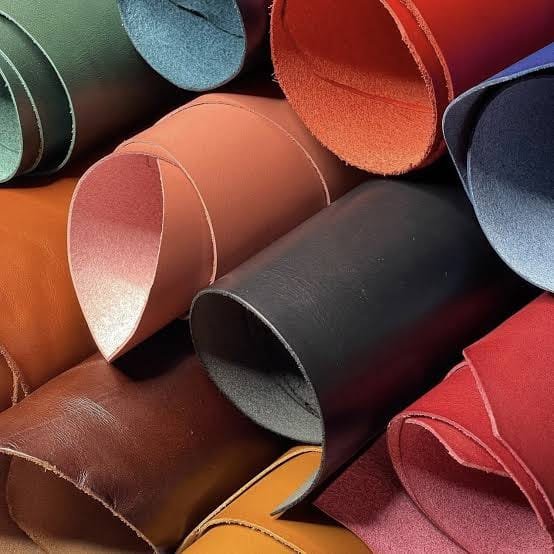
Knowing the animal source is only half the answer. A raw hide is not leather yet; it is just skin that will rot if left alone. To become leather, it must go through tanning.
This chemical process permanently alters the protein structure of the skin. Here is how it happens:
1. Preparation (The Beamhouse)
Before tanning begins, the hide must be prepped. This stage is often called “beamhouse” operations.
- Curing: The hide is salted or dried immediately after removal to stop bacteria growth.
- Soaking and Liming: The hides are soaked in water to remove salt and dirt. Then, lime is added to remove hair and fat.
- Fleshing: Machines scrape away any remaining meat or tissue from the underside of the skin.
2. Tanning
This is the moment the skin becomes leather. There are two main methods used today:
- Chrome Tanning: This is the most common method, used for about 75% to 80% of all leather. It uses chromium salts and is very fast; the process can be finished in a day. It results in soft, uniform leather that holds color well and is water-resistant. If you have a soft leather jacket or grey-blue toned leather, it was likely chrome-tanned.
- Vegetable Tanning: This is the traditional, old-world method. It uses natural tannins found in tree bark (like oak or chestnut). The process takes weeks or even months. Vegetable-tanned leather is stiff, durable, and develops a rich patina (a shine and darkening) over time. It has that classic “earthy” leather smell but is less resistant to water than chrome-tanned options.
3. Crusting and Finishing
After tanning, the leather is dried and graded. At this stage, it might be dyed, rolled to add shine, or embossed with a pattern. If you see a “crocodile” print on a cowhide bag, this is where that texture was pressed onto the surface.
Understanding Leather Grades
When you ask “where does leather come from,” you should also consider which layer of the hide you are getting. Animal skin is thick, so tanneries split it into layers.
- Full-Grain: This uses the top layer of the skin, including the outer grain. It is the strongest and most expensive grade because it has not been sanded down. It shows natural imperfections like bug bites or wrinkles.
- Top-Grain: This is also the top layer, but the very surface has been sanded away to remove flaws. It is smoother and more stain-resistant but less durable than full-grain.
- Genuine Leather: This term can be misleading. It usually refers to the layers underneath the top grain (the “split”). It is real leather, but it is weaker and often has an artificial grain stamped on top to make it look like high-quality hide.
- Bonded Leather: This is the “particle board” of leather. Scraps and dust from the leather factory are glued together with polyurethane. It is the cheapest option and will peel over time.
Ethical and Environmental Reality
The leather industry faces scrutiny regarding sustainability. Since leather is a byproduct of the meat industry, using hides prevents waste. However, the tanning process—specifically chrome tanning—can be harmful if not managed correctly.
In countries with strict environmental regulations, tanneries recycle their water and safely dispose of chemicals. In regions with lax rules, toxic runoff can be a major problem.
If sustainability is your priority, look for vegetable-tanned leather or leather certified by the Leather Working Group (LWG). This organization audits tanneries to verify they are following environmental best practices.
Alternatives to Animal Leather
You may decide that you prefer materials that do not come from animals at all. The market for alternatives is growing.
- PU / PVC Leather: These are plastics designed to mimic the look of leather. They are cheap and waterproof but lack breathability and durability.
- Plant-Based Leathers: Innovations are now allowing manufacturers to make leather-like materials from pineapple leaves (Piñatex), mushrooms (Mylo), and cactus. These offer a more sustainable middle ground between plastic and animal hides.
Conclusion
So, where does leather come from? It comes almost entirely from the livestock raised to feed the global population. It is a material born from a partnership between agriculture and chemical engineering, transforming a waste product into one of the most versatile materials on the planet.
Whether you choose full-grain cowhide for its longevity or a soft sheepskin for comfort, understanding the origin helps you make better choices. You can now look at your leather goods and appreciate the global journey they took to get to you.
Velcro school shoes girls
Original price was: KSh2,500.KSh2,000Current price is: KSh2,000.Select options This product has multiple variants. The options may be chosen on the product pageClear32343638272829303133353739Back to School Shoes -Genuine Pure Leather
Original price was: KSh1,300.KSh1,000Current price is: KSh1,000.Select options This product has multiple variants. The options may be chosen on the product pageClear3234242526272829303133Boys Black School Shoes
Original price was: KSh1,500.KSh1,200Current price is: KSh1,200.Select options This product has multiple variants. The options may be chosen on the product pageClear363835373940Slip-On School Shoes Boys
Original price was: KSh2,500.KSh2,000Current price is: KSh2,000.Select options This product has multiple variants. The options may be chosen on the product pageClear323436382728293031333537