Velcro school shoes girls
Original price was: KSh2,500.KSh2,000Current price is: KSh2,000.Select options This product has multiple variants. The options may be chosen on the product pageClear32343638272829303133353739Back to School Shoes -Genuine Pure Leather
Original price was: KSh1,300.KSh1,000Current price is: KSh1,000.Select options This product has multiple variants. The options may be chosen on the product pageClear3234242526272829303133Boys Black School Shoes
Original price was: KSh1,500.KSh1,200Current price is: KSh1,200.Select options This product has multiple variants. The options may be chosen on the product pageClear363835373940Slip-On School Shoes Boys
Original price was: KSh2,500.KSh2,000Current price is: KSh2,000.Select options This product has multiple variants. The options may be chosen on the product pageClear323436382728293031333537
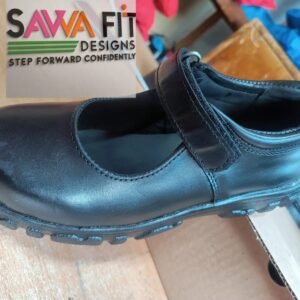

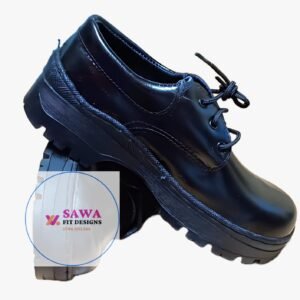
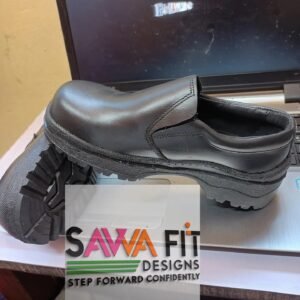
Find out which brands are known for durable school shoes in Kenya. This guide covers top brands like Sawafit, Bata, and Umoja, offering insights into what makes their shoes last, crucial buying factors, and how to keep school shoes in good condition.
Brands Known for Durable School Shoes in Kenya
Getting school shoes that last is a common challenge for parents in Kenya. Kids are active, and the daily wear and tear on their footwear can be intense. You want shoes that can handle playground adventures, muddy paths, and long school days without falling apart after just a few weeks. The good news is, several brands in Kenya understand this need and produce durable school shoes that offer good value for your money.
This article explores the brands recognized for their robust school shoes in Kenya, discusses what makes a shoe durable, and gives you practical advice for selecting and maintaining your child’s footwear.
Why Durable School Shoes Matter
Investing in durable school shoes saves you money in the long run. Constantly replacing torn or worn-out shoes becomes expensive. Beyond cost, durable shoes also offer better foot support, contributing to your child’s comfort and healthy foot development. Poorly made shoes can lead to discomfort, blisters, and even long-term foot problems.
Top Brands for Durable School Shoes in Kenya
When you are looking for school shoes that can withstand the rigors of daily school life in Kenya, certain brands consistently come up. These brands have built a reputation for quality and longevity.
Sawafit
Sawafit has gained recognition in Kenya for offering school shoes that balance quality with affordability. They specifically focus on the needs of Kenyan students.
- Key Features: Sawafit school shoes are typically made from robust leather with sturdy rubber soles designed for varied terrain. They emphasize ergonomic design with cushioned insoles for comfort.
- Why they are durable: Sawafit constructs their shoes to withstand daily use. Their commitment to quality materials and careful craftsmanship ensures that the shoes hold up to active children. They aim to provide footwear that can last the entire academic year.
- Availability: You can find Sawafit shoes through their website and various retailers in Kenya, including wholesalers in places like Eastleigh, Nairobi.
Bata
Bata is a household name in Kenya, well-established for its wide range of footwear, including school shoes. Their Toughees line is particularly popular for its durability.
- Key Features: Bata Toughees are often made from genuine leather, which is known for its resilience. They typically feature sturdy soles that offer good grip and reinforced stitching.
- Why they are durable: Bata has a long history of manufacturing shoes for the African market, understanding the local conditions and the need for robust footwear. Their materials and construction methods focus on longevity. You will find Toughees in various styles, including lace-up and buckle options.
- Availability: Bata stores are widespread across Kenya, making their school shoes easily accessible.
Umoja
Umoja Africa is another local brand producing school shoes with durability in mind, often under their ‘Studeez’ and ‘Shupavu’ lines.
- Key Features: Umoja’s school shoes, particularly the leather options, are designed to be lightweight yet sturdy. They also offer features like anti-fungal treatment, which helps maintain foot hygiene.
- Why they are durable: Umoja focuses on practical design for active children. Their shoes are built to handle everyday school activities while providing comfort and support.
- Availability: Umoja products are available through their official website and select distributors.
Other Notable Brands and Considerations
While the above are prominent, other brands and types of shoes also offer durability:
- Local Leather Manufacturers: Beyond the large brands, many smaller, local manufacturers in Kenya produce good quality leather school shoes. These often use genuine leather and traditional craftsmanship, leading to very durable products. You might find these in local markets or smaller shoe shops.
- Imported Brands (e.g., Clarks, Start-rite): Some international brands like Clarks or Start-rite are known globally for their quality and durable children’s shoes. While they might be pricier and less widely available in physical stores compared to local brands, they are options to consider if you find them.
- Focus on Material: Regardless of the brand, always check the material. Full-grain or top-grain leather is usually the most durable choice for school shoes. These materials offer breathability and resilience. Synthetic materials can be durable too, but quality varies significantly.
- Sole Quality: The sole is where a lot of wear happens. Look for robust rubber soles with good traction. They should be flexible at the ball of the foot but firm around the arch.
- Construction: Stitched soles generally last longer than glued ones. Check for strong, even stitching around the sole and upper. Reinforced toes and heels also extend the life of the shoe.
What Makes a School Shoe Durable?
Durability in school shoes does not just happen; it comes from specific design choices and materials. When you evaluate school shoes, keep these factors in mind:
- Material Quality:
- Leather: Full-grain leather is tough, breathable, and molds to the foot over time. It resists scuffs better than many synthetic materials. Top-grain leather is also a strong option.
- Rubber: For soles, high-quality rubber offers good grip and wear resistance. Look for non-marking soles to prevent scuffs on school floors.
- Construction Methods:
- Stitching: Shoes with stitched soles are generally more durable than those that are just glued. Stitching holds the sole securely to the upper.
- Reinforcements: Reinforced toes and heels add longevity to areas that experience heavy impact and friction.
- Strong Fastenings: Quality laces, buckles, or Velcro straps hold the foot securely and withstand repeated use.
- Sole Design:
- Thickness and Density: A thicker, denser sole provides better cushioning and resists wear.
- Flexibility: While durable, the sole should still be flexible at the ball of the foot to allow natural movement.
- Tread Pattern: A good tread pattern offers traction, reducing slips and falls.
Choosing the Right Durable School Shoes for Your Child
Finding the perfect pair of durable school shoes involves more than just picking a known brand. You need to consider your child’s specific needs and school requirements.
- Check School Requirements: Before you start shopping, confirm any specific guidelines from your child’s school regarding shoe style, color (most often black), and material.
- Prioritize Fit and Comfort:
- Measure Feet: Get your child’s feet measured professionally, or measure them yourself. Feet can grow quickly, and sizes change.
- Room for Growth: Leave about half an inch (a thumb’s width) between the longest toe and the end of the shoe. Your child should be able to wiggle their toes freely.
- Heel Fit: The heel should fit snugly without slipping.
- Try on Both Shoes: Always have your child try on both shoes and walk around. Ask them how the shoes feel. Check for any rubbing or pinching.
- Shop in the Afternoon: Feet tend to swell throughout the day, so fitting shoes in the afternoon ensures a more accurate fit.
- Consider Activity Level: If your child is very active, plays sports during breaks, or walks a long distance to school, you need extra durable shoes with good support and cushioning.
- Inspect the Shoes:
- Stitching: Look for neat, even stitching without loose threads.
- Soles: Bend the shoe to check flexibility at the ball of the foot. Press the heel counter to check its firmness.
- Material: Feel the leather or synthetic material. It should feel robust, not flimsy.
Maintaining Your Durable School Shoes
Even the most durable school shoes need some care to last. Regular maintenance extends their lifespan significantly.
- Clean Regularly: Wipe off dirt and dust daily. For leather shoes, polish them weekly to keep the leather supple and protect it from moisture.
- Air Them Out: Let shoes air out after wearing to prevent odor and moisture buildup. Remove insoles if they are removable.
- Rotate Shoes: If possible, have your child rotate between two pairs of school shoes. This allows each pair to fully dry out and reduces wear and tear on a single pair.
- Proper Drying: If shoes get wet, stuff them with newspaper to absorb moisture and let them air dry naturally. Avoid direct heat sources like heaters or direct sunlight, which can dry out and crack leather.
- Repair Minor Damage: Address minor issues like loose stitching or worn-down heel tips quickly. A timely repair can prevent further damage and prolong the shoe’s life.
Where to Buy Durable School Shoes in Kenya
You have several options for buying durable school shoes in Kenya:
- Brand Stores: Bata stores are widely available across major towns and cities.
- Shoe Retailers: Many independent shoe shops and larger department stores stock a variety of brands.
- Online Stores: Websites like Sawafit.com, Jumia, and Kilimall offer a range of school shoes, providing convenience and often good deals. Always check return policies when buying online.
- Local Markets: Markets like those in Eastleigh, Nairobi, can offer competitive prices on school shoes, including those made from genuine leather. Be sure to inspect the quality carefully when buying from these outlets.
Conclusion
Choosing durable school shoes in Kenya is a smart decision for both your wallet and your child’s comfort. Brands like Sawafit, Bata, and Umoja consistently deliver on quality, offering shoes that stand up to the demands of active school life. By understanding what makes a shoe durable, focusing on a good fit, and practicing regular maintenance, you can ensure your child steps confidently into school each day with reliable, long-lasting footwear.
Velcro school shoes girls
Original price was: KSh2,500.KSh2,000Current price is: KSh2,000.Select options This product has multiple variants. The options may be chosen on the product pageClear32343638272829303133353739Back to School Shoes -Genuine Pure Leather
Original price was: KSh1,300.KSh1,000Current price is: KSh1,000.Select options This product has multiple variants. The options may be chosen on the product pageClear3234242526272829303133Boys Black School Shoes
Original price was: KSh1,500.KSh1,200Current price is: KSh1,200.Select options This product has multiple variants. The options may be chosen on the product pageClear363835373940Slip-On School Shoes Boys
Original price was: KSh2,500.KSh2,000Current price is: KSh2,000.Select options This product has multiple variants. The options may be chosen on the product pageClear323436382728293031333537