Discover why running a profitable shoe manufacturing business in Kenya is a struggle. We analyze costs, competition, and how to start a shoe business right.
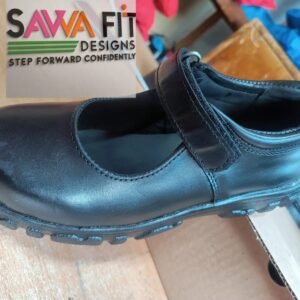
Velcro school shoes girls
Original price was: KSh2,500.KSh2,000Current price is: KSh2,000.Select options This product has multiple variants. The options may be chosen on the product pageClear32343638272829303133353739Back to School Shoes -Genuine Pure Leather
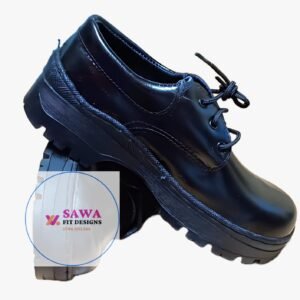
Original price was: KSh1,300.KSh1,000Current price is: KSh1,000.Select options This product has multiple variants. The options may be chosen on the product pageClear3234242526272829303133Boys Black School Shoes
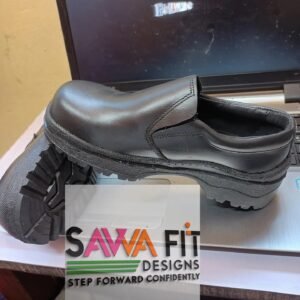
Original price was: KSh1,500.KSh1,200Current price is: KSh1,200.Select options This product has multiple variants. The options may be chosen on the product pageClear363835373940Slip-On School Shoes Boys
Original price was: KSh2,500.KSh2,000Current price is: KSh2,000.Select options This product has multiple variants. The options may be chosen on the product pageClear323436382728293031333537

The Reality of Shoe Manufacturing in Kenya
You see people wearing shoes every day. From the bustling streets of Nairobi to the quiet paths in rural villages, footwear is a basic necessity. Naturally, you might think that starting a shoe business in Kenya is a guaranteed path to wealth. If everyone needs shoes, surely making them should be profitable. However, the gap between theory and practice in the Kenyan manufacturing sector is wide.
Running a profitable shoe manufacturing business in Kenya is one of the most difficult ventures you can undertake today. While the government pushes for “Buy Kenya, Build Kenya,” local manufacturers face a mountain of obstacles that often make it cheaper to import a finished product than to make one from scratch. This article explores the specific reasons why profitability remains elusive for many local shoemakers and provides a case study of the current landscape.
Why the Manufacturing Dream Often Stumbles
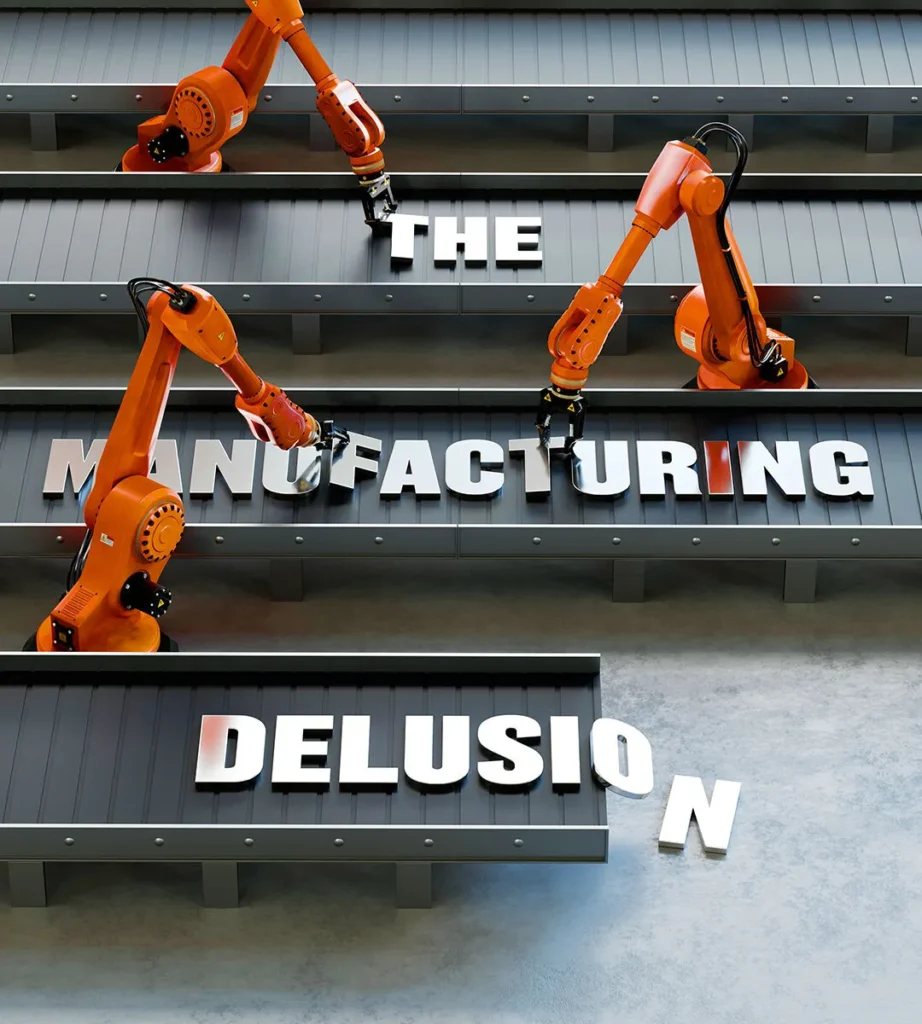
To understand why it is hard to run a profitable shoe manufacturing business in Kenya, you have to look at the entire supply chain. Manufacturing is not just about having a sewing machine and some leather. It involves raw material sourcing, labor management, energy costs, and market competition.
High Cost of Raw Materials
Most people assume that because Kenya has a large livestock population, leather should be cheap. Kenya actually has the third largest livestock herd in Africa. Yet, most of the high quality hides and skins are exported in their “wet blue” or raw state. Local manufacturers often find themselves competing with international buyers for the best leather.
When local tanneries do process leather, the cost is often high due to the chemicals used in tanning, most of which are imported. If you are starting a shoe business in Kenya, you will quickly realize that the cost of high quality leather can take up to 50 percent of your production budget. Beyond leather, you need soles, eyelets, glues, and lining materials. Many of these components are not produced locally at a high quality, forcing you to import them and pay heavy duties.
The Energy Crisis
Manufacturing is energy intensive. If you want to move beyond handmade sandals and produce high quality boots or formal shoes, you need heavy machinery. Electricity costs in Kenya are among the highest in the region. Frequent power outages also mean you might need to invest in expensive generators. When you add the cost of diesel to your monthly overhead, your profit margin thins out quickly.
The Competition: Mitumba and Cheap Imports
The biggest hurdle for any shoe business in Kenya is the competition from second hand clothes and shoes, popularly known as Mitumba. You can buy a pair of sturdy, branded, second hand leather boots for 1,500 Shillings. A local manufacturer, facing high material and labor costs, might need to sell a similar quality new boot for 4,000 Shillings just to break even.
The Mitumba Dominance
The Mitumba market is efficient. It provides variety and quality at a fraction of the cost. For a middle class Kenyan consumer, the choice between a used pair of international brand shoes and a new, locally made pair is often decided by price and perceived status. Unless a local brand has a very strong identity, it struggles to compete with the “camera” grade second hand imports.
New Imports from China and Turkey
It is not just second hand shoes. New, mass produced shoes from China and Turkey flood the Kenyan market. These countries have perfected large scale manufacturing. Their factories produce millions of pairs, bringing the unit cost down to levels a Kenyan SME cannot match. When these shoes land at the Port of Mombasa, even with taxes, they often retail for less than what it costs you to buy the raw leather for one pair in Nairobi.
A Case Study: The Kariokor and Kamukunji Experience

If you want to see shoe manufacturing in action, you go to Kariokor or Kamukunji. These hubs are the heartbeat of the local footwear industry. However, they also serve as a case study for the industry’s systemic failures.
The Scale Problem
In Kariokor, hundreds of artisans work in cramped spaces. They produce beautiful, hand-stitched leather sandals and school shoes. However, because they lack modern lasting machines or sole-pressing equipment, their production speed is low. A single artisan might produce five pairs a day. Compare this to a semi-automated factory in Ethiopia or Vietnam that produces thousands of pairs per hour.
When you cannot scale, you cannot reduce your unit cost. This means your shoes remain expensive, or you have to underpay yourself and your staff to keep prices competitive. This cycle keeps many local makers in a state of “survival” rather than “profitability.”
Quality Consistency
In a shoe retail business, consistency is everything. If a customer buys a size 42 today, they expect the same size 42 to fit the same way next month. In informal manufacturing hubs, the lack of standardized lasts (the foot-shaped molds used to make shoes) means sizes can vary between batches. This inconsistency makes it hard for local manufacturers to secure large contracts with major retailers or schools.
How to Start a Shoe Business in Kenya the Right Way
Despite these challenges, people still find ways to make it work. If you are looking at how to start a shoe business in Kenya, you must decide which part of the value chain you want to occupy. Do you want to be a manufacturer, a wholesaler, or a retailer?
Shoe Retail Business vs. Manufacturing
For most beginners, a shoe retail business is much more profitable and less risky than manufacturing. As a retailer, you can source your stock from various places. You can look into how to start a shoe selling business in Kamukunji by buying in bulk from wholesalers and selling to the end consumer.
In Kamukunji, you will find “agents” and wholesalers who import shoes directly or buy from large local factories. By being a retailer, you avoid the headaches of machine maintenance, labor strikes, and raw material shortages. You focus on marketing, location, and customer service.
Finding a Niche
If you are determined to manufacture, you must find a niche that the mass market imports do not cover. This could be:
- Custom Orthopedic Shoes: Shoes designed for people with specific foot conditions.
- High-End Bespoke Leather: Targeting the luxury market where people are willing to pay for “Made in Kenya” craftsmanship.
- Safety Gear: Producing industrial boots that meet specific KEBS standards for construction and mining companies.
The Infrastructure and Skill Gap
Another reason why it is hard to run a profitable shoe manufacturing business in Kenya is the lack of specialized skills. While Kenya has many talented artisans, there is a shortage of technical designers and factory managers who understand modern production flows.
Lack of Specialized Training
Most shoemakers in Kenya are self-taught or learned through apprenticeship in places like Kariokor. While this preserves traditional skills, it does not prepare them for industrial manufacturing. Without knowledge of CAD (Computer-Aided Design) for footwear or modern chemical bonding processes, local products often look “handmade” in a way that suggests a lack of finishing.
Logistical Nightmares
Moving goods within Kenya is expensive. If your workshop is in Nairobi and you want to sell to a boutique in Mombasa or Kisumu, the courier costs can add a significant percentage to the retail price. In contrast, global shipping has become so efficient that it sometimes costs less to ship a container of shoes from Guangzhou to Mombasa than to truck a small load from Nairobi to Eldoret.
The Regulatory Environment
Government policy plays a huge role in the success or failure of manufacturing. In Kenya, the regulatory burden is heavy.
Licenses and Permits
To run a legal manufacturing plant, you need:
- A business permit from the County Government.
- Fire safety certificates.
- NEMA (National Environment Management Authority) clearances, especially since shoe glues and leather scraps can be hazardous.
- KEBS (Kenya Bureau of Standards) certification to prove your shoes are fit for the market.
Each of these comes with a fee and, often, a long waiting period. For a small business, these “hidden” costs eat into the capital that should have gone into buying better leather or more efficient machines.
Taxation
The tax regime for manufacturers is often unforgiving. While there are incentives for large scale industries in Export Processing Zones (EPZ), the small manufacturer in an industrial area estate faces Value Added Tax (VAT) on raw materials and Income Tax on any small profit they manage to make. When you combine this with the “informal taxes” or bribes often demanded by various inspectors, the cost of doing business becomes astronomical.
Comparing Kenya to Regional Neighbors
It is helpful to look at why Ethiopia is succeeding where Kenya is struggling. Ethiopia has made shoe manufacturing a national priority. They have created massive industrial parks specifically for footwear and leather. They offer tax holidays, subsidized electricity, and have invested heavily in training their workforce.
In Kenya, the approach has been more fragmented. While there are plans to develop the leather city in Machakos (Kenanie), the progress has been slow. Until the environment for manufacturing is as supportive as it is for other sectors like ICT or mobile money, the shoe manufacturer will continue to struggle.
How to Start a Shoe Selling Business in Kamukunji
If the manufacturing route sounds too daunting, you might want to consider the trading side. Many successful entrepreneurs started by learning how to start a shoe selling business in Kamukunji. This area is a hub for both locally made and imported shoes.
Steps to Success in Kamukunji Retail:
- Identify Your Target: Are you selling school shoes, ladies’ heels, or men’s official shoes?
- Source Reliability: Spend time in the market identifying which wholesalers have the best “first grade” stock.
- Location: Even in a crowded market like Kamukunji, your specific stall location matters. You want a place with high foot traffic.
- Bulk Discounts: The secret to profit in retail is buying in large volumes to get the lowest possible price per pair.
- Marketing: Use social media. Even a small stall in Kamukunji can reach customers in Nakuru or Kisumu through Instagram and Facebook.
The Future of the Shoe Business in Kenya
Is it all doom and gloom? Not necessarily. The Kenyan consumer is becoming more conscious of quality. There is a growing movement of young professionals who want to wear locally made products that tell a story.
Digital Transformation
The internet is changing how shoe businesses operate. You no longer need a prime shop on Moi Avenue to sell shoes. You can manufacture from a small workshop in your backyard and sell directly to customers via a website or WhatsApp. This “Direct to Consumer” (DTC) model cuts out the middleman and allows you to keep more of the profit.
Automation and Small Scale Tech
The price of small scale machinery is dropping. You can now find Chinese made sole-presses and stitching machines that are affordable for a medium sized workshop. By introducing even a small amount of automation, you can improve the consistency of your shoes, making them more attractive to the retail market.
Summary of Challenges and Opportunities
| Challenge | Impact on Business | Potential Solution |
| High Material Cost | Lowers profit margins | Direct sourcing from tanneries or forming cooperatives |
| Mitumba Competition | Makes local shoes look expensive | Focus on branding and unique designs |
| Electricity Costs | Increases production overhead | Invest in energy-efficient machines or solar |
| Skill Gap | Poor finishing and quality | Continuous training and adopting modern tools |
| Logistics | High distribution costs | Use of efficient third-party delivery services |
Final Thoughts on Profits in Footwear
Running a shoe manufacturing business in Kenya is a marathon, not a sprint. The reason it is hard to be profitable is that you are fighting against global economic forces and local infrastructural weaknesses. You are competing with the scale of China, the efficiency of Turkey, and the low prices of the second hand market.
However, if you can solve the quality problem and find a way to reach your customers without huge overheads, there is money to be made. The demand is there. Every January, millions of children need new school shoes. Every December, people buy new shoes for festivities. The market is not the problem; the production model is.
If you are thinking about starting a shoe business in Kenya, do your homework. Visit Kariokor. Talk to the traders in Kamukunji. Understand the cost of a single hide and how many pairs of shoes it can produce. If you go in with your eyes open, you might just be the one to crack the code of profitable shoe manufacturing in the 254.
Velcro school shoes girls
Original price was: KSh2,500.KSh2,000Current price is: KSh2,000.Select options This product has multiple variants. The options may be chosen on the product pageClear32343638272829303133353739Back to School Shoes -Genuine Pure Leather
Original price was: KSh1,300.KSh1,000Current price is: KSh1,000.Select options This product has multiple variants. The options may be chosen on the product pageClear3234242526272829303133Boys Black School Shoes
Original price was: KSh1,500.KSh1,200Current price is: KSh1,200.Select options This product has multiple variants. The options may be chosen on the product pageClear363835373940Slip-On School Shoes Boys
Original price was: KSh2,500.KSh2,000Current price is: KSh2,000.Select options This product has multiple variants. The options may be chosen on the product pageClear323436382728293031333537