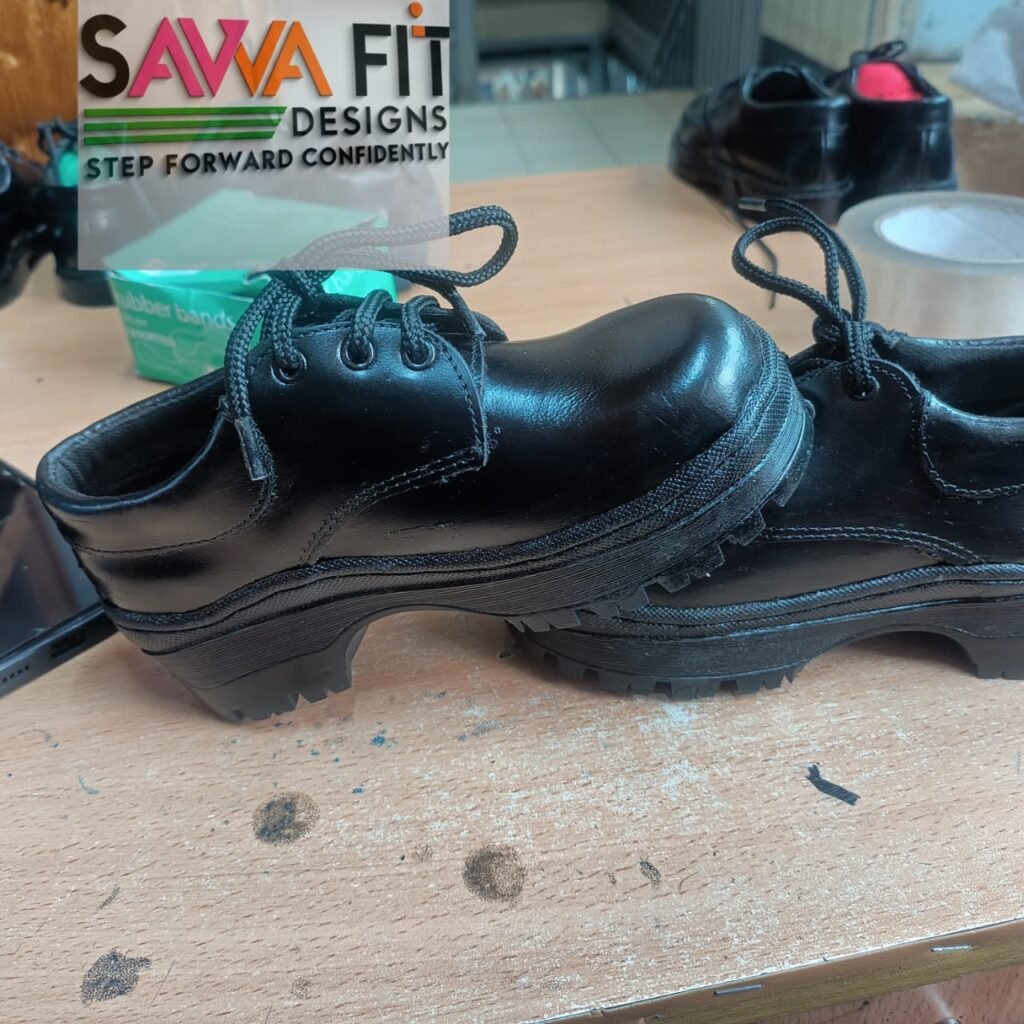
How to Stop Leather School Shoes From Cracking: 8 Easy Care Tips
A good pair of leather school shoes can handle plenty of everyday use, but leather is not maintenance-free.
Repeated bending, dust, moisture, heat and lack of conditioning can eventually cause leather to become dry and develop cracks.
For parents, learning how to stop leather school shoes from cracking is a simple way to protect the investment made in children’s footwear.
The good news is that basic care does not need to be complicated.
Why Do Leather School Shoes Crack?
Leather is a natural material. Its condition can change depending on how it is exposed to the environment and how it is maintained.
Common causes of cracking include:
- Excessive dryness
- Dirt buildup
- Repeated bending
- Poor storage
- Excessive heat
- Improper drying
- Lack of suitable shoe-care products
- Long periods without cleaning
The toe area can be particularly vulnerable because it bends repeatedly as a child walks.
1. Clean Dirt Off Regularly
Dust and dirt may seem harmless, but allowing them to accumulate can make leather look dull and neglected.
Use a soft cloth or appropriate brush to remove loose dirt.
Do not aggressively scrub the surface.
A simple routine
At the end of the week:
- Remove loose dirt.
- Wipe the shoe gently.
- Allow it to dry naturally if damp.
- Apply an appropriate leather-care product when necessary.
- Buff gently.
Regular light maintenance is usually better than waiting until the shoe is heavily soiled.
2. Don’t Leave Wet Leather Shoes in Intense Heat
This is one of the most important rules.
If your child’s shoes become wet, avoid placing them directly against a very hot heat source.
Extreme heat can cause leather to dry too quickly, potentially making it harder and more prone to cracking.
Instead:
- Remove excess water.
- Open the shoe as much as possible.
- Stuff it lightly with absorbent paper if appropriate.
- Place it somewhere ventilated.
- Allow it to dry gradually.
3. Use Appropriate Shoe Polish or Cream
For suitable leather school shoes, polish can improve appearance and provide an additional layer of care.
SAWA FIT specifically notes that black polish and shoe cream can improve the appearance and gloss of its leather school shoes while helping provide protection.
However, always use a product appropriate for the type and finish of the leather.
Avoid experimenting with household chemicals or unsuitable oils.
4. Don’t Overload the Shoe With Product
More polish does not necessarily mean better protection.
A heavy buildup can leave the shoe looking uneven and may attract dirt.
Apply a moderate amount and distribute it evenly.
The goal is to maintain the leather, not cover it in thick layers of product.
5. Pay Attention to the Toe Crease
Look at where the shoe naturally bends.
This is usually around the front portion of the shoe.
Because this area experiences repeated movement, it deserves regular attention.
If you notice the leather becoming dry or developing fine cracks, improve the cleaning and conditioning routine rather than waiting for the damage to become severe.
6. Keep Shoes Properly Ventilated
Children may wear school shoes for many hours.
At the end of the day, do not immediately place damp shoes in a tightly sealed bag.
Give them time to air.
Good ventilation can help moisture escape and reduce unpleasant odors.
Avoid storing wet shoes overnight
If possible:
- Remove insoles where appropriate.
- Open laces or straps.
- Allow the interior to air.
- Keep shoes away from excessive heat.
- Store them somewhere dry.
7. Don’t Use School Shoes for Every Activity
School shoes are designed for school use, but children often treat them as general-purpose footwear.
Constantly using formal leather shoes for rough outdoor activities can accelerate wear.
If your child’s school permits appropriate sports footwear for physical activities, use those shoes when required.
This can reduce unnecessary stress on formal school footwear.
8. Don’t Ignore Early Damage
A small crack is easier to manage than a large split.
Inspect the shoes periodically.
Pay particular attention to:
- Toe creases
- Heel area
- Stitching
- Side panels
- Around closures
- Sole attachment
Early maintenance can help prevent minor wear from becoming major damage.
ALSO READ: School Shoes for Children With Flat Feet
Leather Shoe Care Checklist
| Task | Recommended frequency |
|---|---|
| Remove surface dirt | Regularly |
| Wipe shoes | As needed |
| Polish | When needed |
| Inspect stitching | Every few weeks |
| Check soles | Every few weeks |
| Air shoes | Daily when practical |
| Deep cleaning | When visibly dirty |
What Not to Put on Leather School Shoes
Avoid using random household substances simply because someone recommends them online.
Be cautious with:
- Harsh detergents
- Strong solvents
- Excessive water
- Unknown chemicals
- Excessive heat
- Products not designed for leather
If you’re uncertain about a product, check its instructions or ask the manufacturer.
Does Genuine Leather Last Longer?
Quality leather can be durable, but longevity depends on construction, usage and maintenance.
SAWA FIT describes its leather school shoes as handcrafted using locally made leather and rubber, with protective uppers and durable soles.
The important lesson is that material quality is only part of the equation.
Good material + good construction + appropriate care = better long-term value.
When Is Cracking Beyond Repair?
Small surface creases are normal.
Deep cracks that expose the underlying material, major splitting or structural damage may mean the shoe needs repair or replacement.
If the sole is separating at the same time, continued use may not be worthwhile.
Final Thoughts
If you want to prevent leather school shoes from cracking, focus on simple habits:
- Clean them regularly.
- Keep them away from excessive heat.
- Dry wet shoes gradually.
- Use appropriate polish or leather-care products.
- Store them in a dry, ventilated place.
- Inspect high-wear areas.
- Avoid unnecessary rough use.
A few minutes of care can make children’s leather school shoes look better and potentially extend their useful life.