Start a profitable Mitumba Business in Kenya. Get insights on Gikomba bale prices, fast-moving items, and expert tips to grow your side hustle today!
Velcro school shoes girls
Original price was: KSh2,500.KSh2,000Current price is: KSh2,000.Select options This product has multiple variants. The options may be chosen on the product pageClear32343638272829303133353739Back to School Shoes -Genuine Pure Leather
Original price was: KSh1,300.KSh1,000Current price is: KSh1,000.Select options This product has multiple variants. The options may be chosen on the product pageClear3234242526272829303133Boys Black School Shoes
Original price was: KSh1,500.KSh1,200Current price is: KSh1,200.Select options This product has multiple variants. The options may be chosen on the product pageClear363835373940Slip-On School Shoes Boys
Original price was: KSh2,500.KSh2,000Current price is: KSh2,000.Select options This product has multiple variants. The options may be chosen on the product pageClear323436382728293031333537

The Mitumba Business in Kenya: An Analytical Case Study of the Second-Hand Clothing Sector
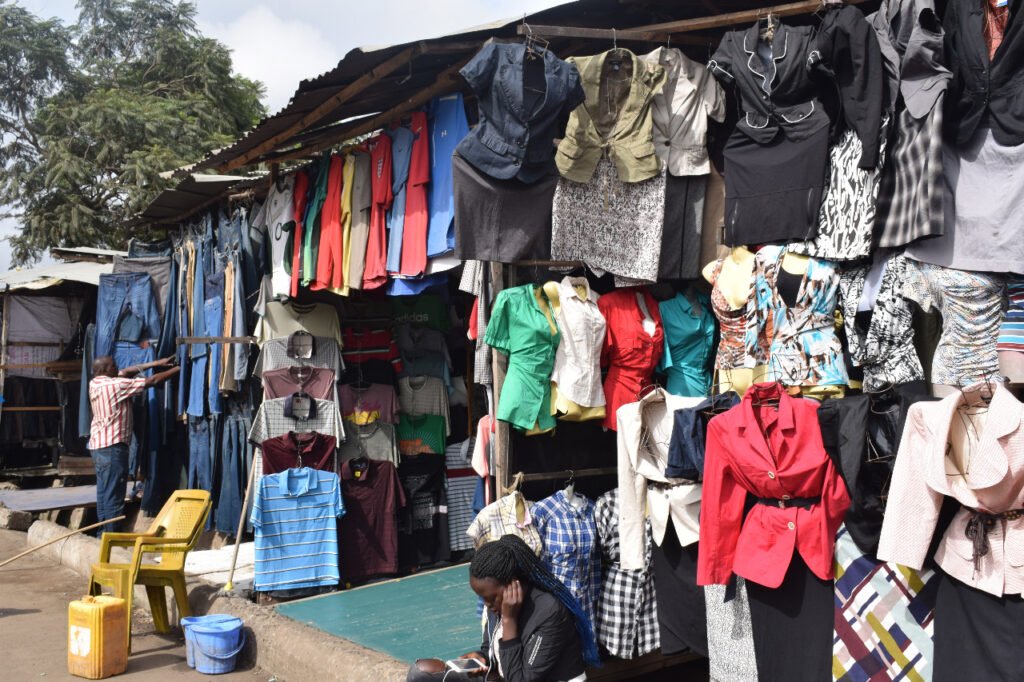
The second-hand clothing trade, universally known as the mitumba business in Kenya, represents one of the most vibrant and resilient sectors of the national economy. Originally appearing in the 1970s and 1980s as humanitarian aid to address regional crises, the trade underwent a radical shift during the economic liberalization of the early 1990s. What began as a charity based distribution of donated garments from Western nations has matured into a multi-billion shilling commercial ecosystem. Today, this industry provides affordable, high-quality fashion to millions of citizens while supporting the livelihoods of approximately two million people across the value chain. As you explore this sector, you will find that it is not merely a informal market but a complex, globalized industry involving international logistics, sophisticated grading systems, and significant tax contributions to the state. This report serves as a comprehensive case study, examining the economic impact, logistical hurdles, and the profitability of trading used textiles in the Kenyan context.
The Economic Landscape of Second-Hand Textiles
The scale of the mitumba trade is best understood through its contribution to the national treasury and employment statistics. In the fiscal year ending March 2024, the value of imported second-hand clothing reached KSh 28 billion, marking a substantial 33.32% increase from the previous year. This growth highlights the sector’s importance as a pillar of domestic trade.
Revenue and Employment Metrics
The industry is a significant revenue generator for the government. Annually, the mitumba sector contributes roughly KSh 12 billion in tax revenue. These funds are collected through various channels, including import duties at the Port of Mombasa, the Railway Development Levy, and Value Added Tax. Beyond the numbers, the human impact is profound. Two million Kenyans depend directly on this trade, with many more benefiting from ancillary services such as logistics, storage, and garment repair.
| Metric | Value (KSh / Tonnes) | Source |
| Annual Import Value (2024) | KSh 28 Billion | |
| Annual Tax Revenue | KSh 12 Billion | |
| Direct Employment | 2 Million People | |
| Import Tonnage (2022) | 177,664 Tonnes | |
| Projected Tonnage (2037) | 587,526 Tonnes |
Household Expenditure Patterns
Kenyans are price-sensitive consumers, and the affordability of used clothing is a major driver of demand. Research indicates that the average household spends approximately KSh 409 per quarter on second-hand clothes, compared to KSh 783 on new apparel. Interestingly, there is a strong link between income levels and demand. For every 1% rise in income, the demand for second-hand clothes increases by 12%. This suggests that mitumba is not just a choice for the poor but is valued by all income groups for its variety and quality.
Sourcing and Global Supply Chains
If you are looking to enter this industry, understanding where these clothes come from is essential. Most mitumba bales originate from developed countries where consumers frequently update their wardrobes.
International Origins
The quality and style of your stock depend heavily on the source country. The United Kingdom is widely regarded as the best source for high-quality, trendy garments, though these bales are often more expensive. Canada is preferred for larger sizes and heavy-duty winter wear, while China has become a dominant supplier of lightweight, affordable summer clothing and children’s wear.
Importing Mitumba Bales to Kenya
The process of importing mitumba bales to Kenya is governed by strict regulations to ensure consumer safety and tax compliance. You must work with the Kenya Bureau of Standards (KEBS) and the Kenya Revenue Authority (KRA) to navigate this process.
- Business Registration: You can import as a registered company or an individual trader with a valid KRA PIN.
- Pre-Shipment Inspection: All bales must undergo Pre-Export Verification of Conformity (PVoC). This ensures that the clothing is not waste and is fit for reuse.
- Import Declaration Form (IDF): This document is required to declare the value of your shipment and calculate duties.
- Customs Clearance: Upon arrival at the port, a clearing agent handles the paperwork. For a 40-foot container, you may pay between KSh 1.2 million and KSh 4.8 million in duties and taxes.
| Import Cost Component | Estimated Rate | Basis |
| Import Duty | 35% | Customs Value |
| Value Added Tax (VAT) | 16% | Customs Value + Duty |
| Import Declaration Fee (IDF) | 2.25% | CIF Value |
| Railway Development Levy (RDL) | 1.5% | CIF Value |
Grading and Categorization: Types of Mitumba Bales
Understanding the various types of mitumba bales is critical for your business strategy. Bales are sorted at the source and labeled based on the quality and condition of the items inside.
The Grading System
- Crème Bales: These contain brand-new items, often with original tags. They are rare and can cost as much as KSh 40,000 per bale.
- Grade A (Grade 1): This is the most popular grade. Items show minimal wear and often include top-tier brands like Nike, Adidas, and H&M.
- Grade B (Grade 2): These clothes have been worn several times and may have slight fading or minor defects. They are much cheaper and are ideal for rural markets.
- Grade C: This grade consists of items with visible damage or heavy wear. They are often sold in bulk bundles at very low prices.
The Camera Phenomenon
The term “camera” refers to the best items in a bale. These pieces look brand new and are ready for high-resolution product photos, hence the name. When you open a Grade A bale, camera pieces usually make up 10% to 30% of the contents. Identifying and pricing these camera items correctly is how you maximize your profit.
Market Dynamics: Is Mitumba Business Profitable?
If you are asking yourself, is mitumba business profitable, the answer is generally yes, provided you manage your costs and quality carefully. Profit margins in this industry can be quite high compared to other retail sectors.
Revenue and Margins
Profitability depends on the grade of items you sell. Grade A items can yield a profit margin of up to 500% if sold individually as camera pieces. For example, an item that costs you KSh 200 within a bale can often be sold for KSh 1,200.
| Item Quality | Avg. Unit Cost (KSh) | Avg. Retail Price (KSh) | Potential Profit Margin |
| Grade A (Camera) | KSh 200 | KSh 1,200 | 500% |
| Grade B | KSh 100 | KSh 500 | 400% |
| Small Stall (Daily) | Variable | Variable | KSh 5,000 – 7,000 |
Scaling Your Business
You can start small with as little as KSh 1,000 by handpicking pieces from wholesalers in Gikomba and selling them for a profit. As you grow, you can move to buying full bales for KSh 20,000 to KSh 100,000, which gives you first access to the best pieces. Large-scale importers who handle full containers can see yearly revenues exceeding KSh 60 million.
Best Mitumba Clothes to Sell: Identifying Fast Moving Items
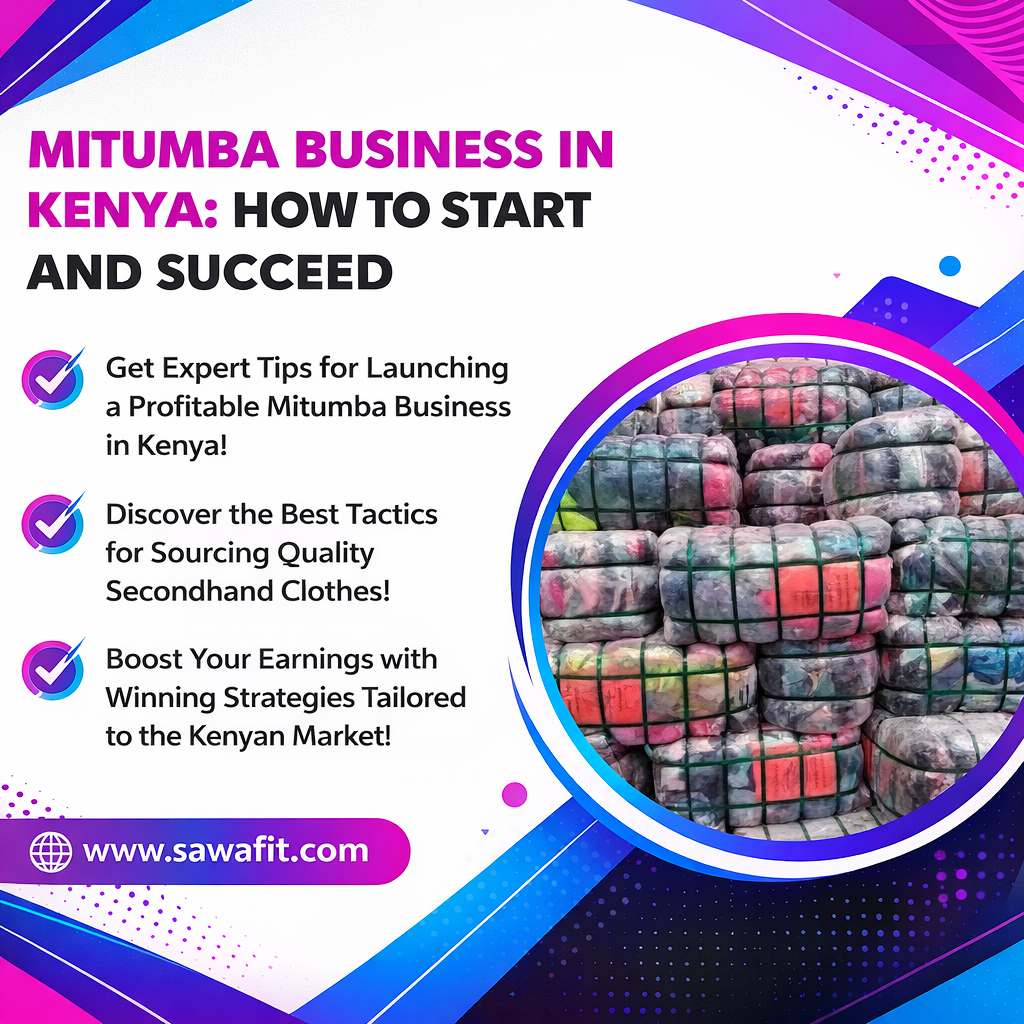
To succeed, you must stock fast moving mitumba clothes that have high turnover rates. Consumer demand varies by season and demographic.
Popular Categories
- Children’s Wear: Bales of kids’ clothes are highly sought after because children outgrow clothes quickly, creating constant demand.
- Denim and Jeans: Branded jeans from Levi’s or H&M are always in style and move quickly in urban centers.
- Ladies’ Tops and Dresses: Fashion-conscious women frequently shop for unique, trendy pieces that cannot be found in regular retail stores.
- School Bags and Toys: These are specialized items that see peak demand during back-to-school seasons or holidays.
| Category | Typical Bale Price (KSh) | Target Market |
| Kids Wear | KSh 13,500 – 32,500 | Parents / Rural Traders |
| Ladies Handbags | KSh 18,000 | Urban Fashionistas |
| Men’s Jeans | KSh 20,000 | Youth / Students |
| School Bags | KSh 22,500 | Parents |
Mitumba Shoes Business in Kenya
The mitumba shoes business in Kenya is a lucrative niche on its own. Authentic used sneakers from brands like Nike, Adidas, and Converse are highly valued. Many traders specialize in cleaning and restoring these shoes to a “mint” condition, allowing them to charge premium prices. While a pair of new “first-copy” sneakers might sell for KSh 3,000, a high-quality second-hand original can often fetch KSh 5,000 or more because it offers better durability and comfort.
Navigating the Major Markets
Nairobi is the epicenter of the trade, with Gikomba being the primary distribution point.
Gikomba Market
Mitumba bales prices in Gikomba vary daily based on supply and demand. If you are an early riser, you can find the best deals on Saturday mornings when the newest shipments are often opened. The market is divided into sections, and knowing where to find specific items like shoes or children’s wear can save you hours of searching.
Toi and Ngara Markets
For those targeting a more affluent demographic, Toi Market (near Adams Arcade) and Ngara are the go-to spots. These markets are known for higher-end, “camera” quality clothes. Prices are higher here, but the quality is more consistent, making it a favorite for celebrities and middle-class shoppers.
Disadvantages of Mitumba Business and Industry Challenges
Despite the potential for high returns, there are significant disadvantages of mitumba business that you must prepare for. This is not a risk-free venture.
Physical and Economic Risks
- Fire Outbreaks: Gikomba is notorious for frequent fires that can wipe out your entire inventory in hours. Many traders have lost everything and had to start from scratch.
- Currency Fluctuations: Because you are importing in foreign currency, a weakening Kenya Shilling makes bales more expensive. This reduces your margins unless you raise prices for your customers.
- The Middleman Problem: If you don’t buy directly from importers, you may be overcharged by middlemen who sell you poor-quality bales at inflated prices.
Environmental and Ethical Concerns
The environmental impact of the trade is a growing concern. Approximately 200 tonnes of textile waste are dumped in Kenya every day. Much of this consists of synthetic fibers that do not decompose and end up clogging rivers like the Kibarage. Critics argue that the Global North is using Kenya as a dumping ground for its fast-fashion waste, a practice sometimes called “waste colonialism”.
Entrepreneurial Success Stories
Case studies of successful traders show that persistence and adaptability are key.
Alex Aduol: From Accountant to Trader
Alex Aduol started his business with KSh 300,000 after leaving a career in management. He emphasizes that the business is capital-intensive and requires constant reinvestment of profits into fresh stock to stay competitive. His success highlights the importance of building a trust-based relationship with customers who order online without seeing the items first.
Christine Wanjiru: Navigating Adversity
Christine Wanjiru transitioned into the mitumba business after a spinal injury prevented her from continuing her previous job. By partnering with a friend to import containers and using a Facebook page to market her bales, she has built a sustainable business that supports her family. Her story shows that leveraging social media can help you bypass traditional market limitations.
The Policy Debate: Mitumba vs. Local Textiles
There is a long-standing debate about whether mitumba imports harm the local textile industry. Proponents of a ban argue it would revitalize Kenyan mills, while opponents point out that local manufacturers currently cannot match the price or variety of used clothes. The consensus among groups like the Mitumba Consortium Association of Kenya (MCAK) is that the two sectors should coexist, as the mitumba trade provides millions of jobs that the formal manufacturing sector currently cannot replace.
Future Outlook and Projections
The demand for second-hand clothing is expected to continue growing. By 2037, the per capita availability of used clothing in Kenya is projected to rise from 3.5 kilograms to 8.2 kilograms. As the population grows toward 71 million, the total market volume is expected to exceed 580,000 tonnes annually. This growth presents a massive opportunity for entrepreneurs who can navigate the complexities of international sourcing and local retail.
Practical Tips for Beginners
If you are starting out, these strategies can help you minimize risk:
- Pick Pieces First: Instead of buying a full bale, start by handpicking individual pieces. This ensures you only pay for quality items that you know your customers will buy.
- Verify Your Supplier: Always visit a wholesaler’s store in person before making a large payment. Avoid stores that operate in secrecy or have no social media presence.
- Diversify Your Stock: Don’t put all your money into one type of clothing. Mix fast-moving items like children’s wear with higher-margin items like designer jeans.
- Manage Your Cash Flow: The business requires constant reinvestment. Avoid the temptation to spend your initial profits on personal needs; instead, use them to buy better-quality stock.
The mitumba business in Kenya is more than just a market for old clothes. it is a sophisticated industry that empowers millions of people. By understanding the grading systems, managing the logistical challenges of importing, and staying aware of the market trends in Gikomba, you can build a profitable and sustainable enterprise. Whether you are selling shoes, children’s clothes, or designer dresses, the key to success lies in quality, trust, and a deep understanding of the Kenyan consumer.
Velcro school shoes girls
Original price was: KSh2,500.KSh2,000Current price is: KSh2,000.Select options This product has multiple variants. The options may be chosen on the product pageClear32343638272829303133353739Back to School Shoes -Genuine Pure Leather
Original price was: KSh1,300.KSh1,000Current price is: KSh1,000.Select options This product has multiple variants. The options may be chosen on the product pageClear3234242526272829303133Boys Black School Shoes
Original price was: KSh1,500.KSh1,200Current price is: KSh1,200.Select options This product has multiple variants. The options may be chosen on the product pageClear363835373940Slip-On School Shoes Boys
Original price was: KSh2,500.KSh2,000Current price is: KSh2,000.Select options This product has multiple variants. The options may be chosen on the product pageClear323436382728293031333537